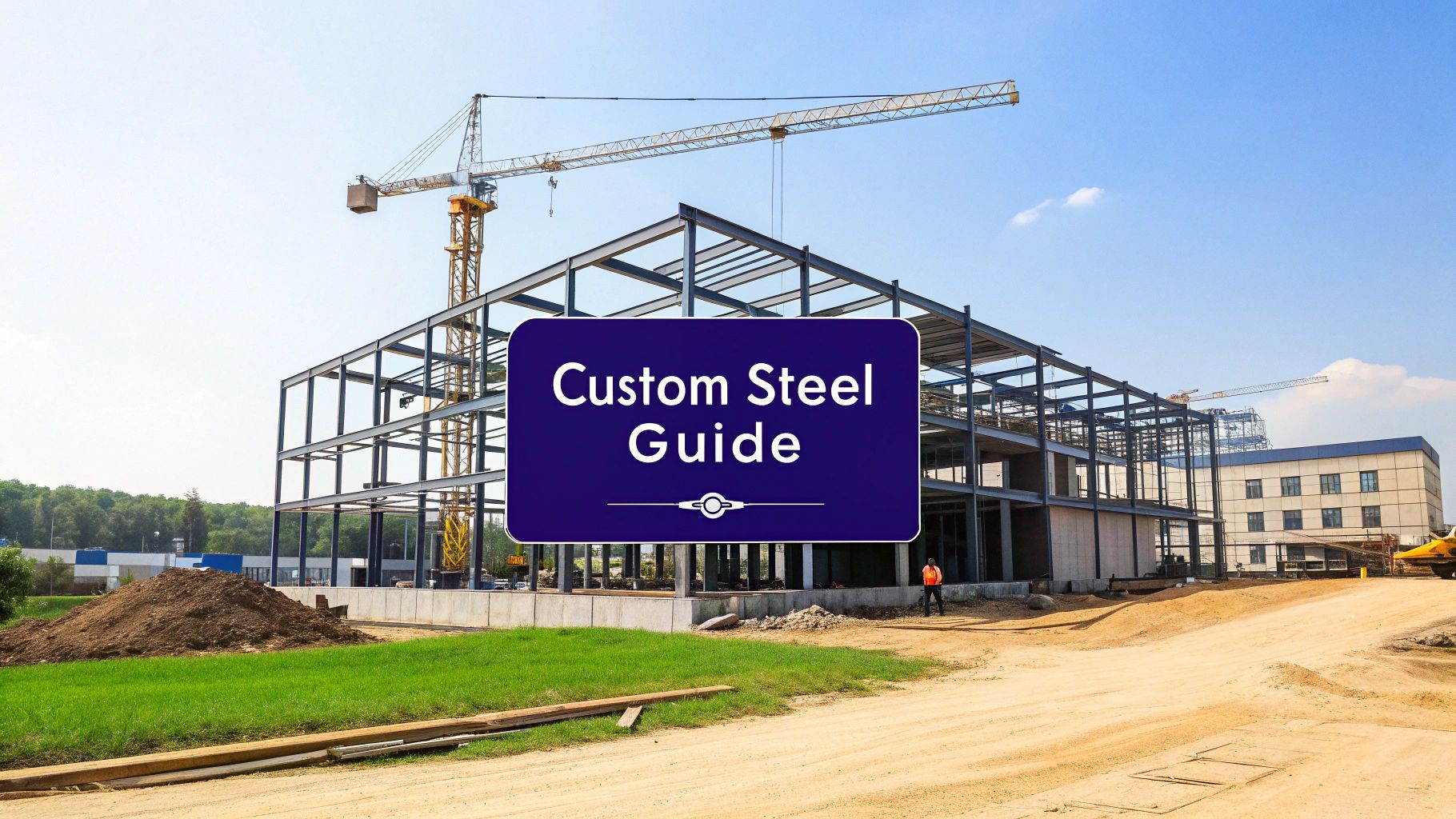
A custom steel building isn't just a structure; it's a high-performance building system. Instead of relying on traditional materials, it uses precision-engineered steel components to create a framework with incredible design freedom, making it a perfect fit for anything from a sleek commercial office to a rugged agricultural barn.
Think of it less like a one-size-fits-all box and more like a sophisticated construction set designed for the real world.
Unlocking the Potential of Steel Construction
When most people hear "steel building," their minds often jump to a simple, gray industrial warehouse. While that's certainly one use, it barely scratches the surface of what custom steel buildings can do. The modern approach involves pre-engineered components—beams, columns, and panels—that are manufactured with extreme precision in a factory.
This factory-first process is a massive advantage. By creating the building's entire skeleton off-site, construction timelines shrink dramatically. Common on-site headaches, like weather delays, become far less of an issue. These components arrive at your property ready for rapid assembly, providing a predictable, efficient, and reliable way to build.
More Than Just a Metal Box
The real magic is in the customization. Pre-engineering isn't a limitation; it's the foundation for creativity. You get to define nearly every aspect of the structure to match your exact vision and operational needs.
- Architectural Freedom: Go way beyond simple rectangles. You can specify varied roof pitches, add overhangs, and choose from exterior finishes like brick, stucco, or wood siding to match any aesthetic you're after.
- Functional Design: Plan for huge, column-free interior spaces. This is ideal for workshops, wide-open retail floors, or indoor sports facilities where you need unobstructed room to move.
- Purpose-Built Features: Need something specific? Incorporate heavy-duty doors for large equipment, specialized ventilation for agricultural use, or high-performance insulation for climate-controlled storage.
The key takeaway is that "custom" means the building is designed from the ground up around your specific operational, aesthetic, and budgetary requirements. It’s a solution built for a purpose, not just a structure dropped onto a site.
The growing preference for this method is clear in market trends. The global prefabricated building and structural steel market hit USD 248.0 billion in 2024 and is expected to climb to nearly USD 396.6 billion by 2033, according to insights from IMARC Group.
Core Advantages Driving Adoption
This boom isn't happening by accident. It's fueled by real, tangible benefits that appeal to everyone from homeowners to business owners and farmers. Beyond just speed, these structures deliver exceptional durability against fire, pests, and extreme weather.
Steel is also highly sustainable—it’s the most recycled material on earth—and the pre-fabrication process drastically cuts down on-site construction waste. By exploring the full range of available steel buildings, you can see how this versatility translates into practical, long-lasting solutions for almost any project you can imagine.
The Real Advantages of Building with Steel
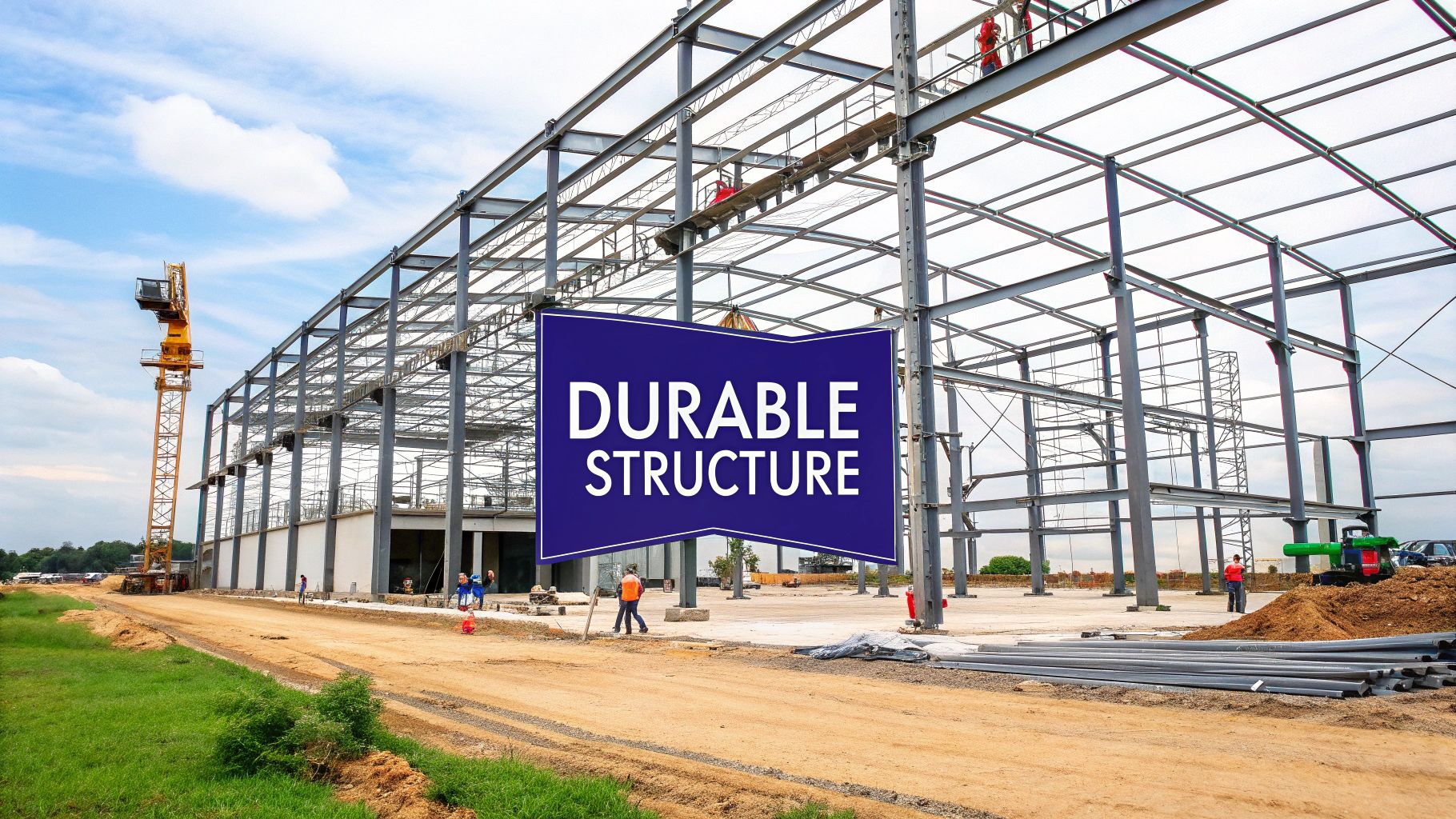
Making the call on a construction method is a huge business decision, and the shift toward steel isn’t happening for just one reason. It's a powerful mix of benefits that pay off from day one and keep delivering value for decades. These advantages make custom steel buildings a smart, strategic move for any project where strength, speed, and budget are top priorities.
Rock-Solid Durability and Resilience
Let's face it, traditional building materials have their weaknesses. Wood is notorious for rotting, attracting termites, and acting as fuel for a fire. Steel, on the other hand, gives you an incredibly strong framework that naturally shrugs off these common threats.
Because steel is inorganic, it’s completely unappetizing to termites and other pests. It also doesn’t absorb moisture, so you can forget about mold and mildew compromising your air quality and structure. This built-in resilience means a safer, healthier, and longer-lasting building with way fewer maintenance headaches down the road.
On top of that, steel structures are engineered to handle the worst of Mother Nature. They can be designed to take on heavy snow loads, hurricane-force winds, and seismic events far better than a conventional stick-built frame ever could.
Smarter Cost-Effectiveness
The financial perks of building with steel start well before you even open the doors. All the components are precision-cut and pre-drilled in a factory, which makes the on-site assembly incredibly fast and requires less specialized labor. Slicing down the construction timeline directly cuts your labor costs.
But the long-term savings are where it really gets compelling. Steel’s natural resistance to pests, rot, and fire often translates to lower insurance premiums. Plus, its sheer durability means you'll spend a whole lot less on repairs and general upkeep over the building's life.
By slashing initial labor expenses and minimizing long-term maintenance, custom steel buildings deliver a superior return on investment compared to most traditional construction methods.
Unmatched Speed of Construction
In business, time is money. Getting your commercial space, workshop, or agricultural facility up and running faster means you start generating revenue sooner. This is where pre-engineered steel buildings truly leave other methods in the dust.
The factory-controlled fabrication process sidesteps the usual on-site delays. Bad weather, material shortages, and cutting mistakes are all managed off-site, so every component arrives on your property ready for immediate assembly.
- Predictable Timelines: With fabrication handled in a controlled environment, project schedules become much more reliable.
- Rapid Assembly: A small crew can often get the main frame of a decent-sized building erected in just a few days.
- Faster Occupancy: This accelerated timeline means your building is finished and ready for business months sooner than a traditional build.
Built-In Sustainability
Choosing steel is also a move you can feel good about. It's the most recycled material on the entire planet, with a recycling rate hovering around 90%. That means the steel in your new building almost certainly contains recycled content and can be fully recycled again when its long life is over.
The pre-engineering process itself is a masterclass in efficiency. By cutting every component to exact specifications, construction waste is practically eliminated. Unlike traditional job sites littered with discarded material scraps, the steel manufacturing process leaves very little behind. To guarantee top quality and support our own industries, it’s critical to understand the benefits of using US-made national steel for your structure. This commitment to quality materials boosts the building’s sustainability and performance for the long haul. Building with steel isn’t just practical; it’s a forward-thinking choice that lines up perfectly with modern environmental values.
Exploring Your Design and Customization Options
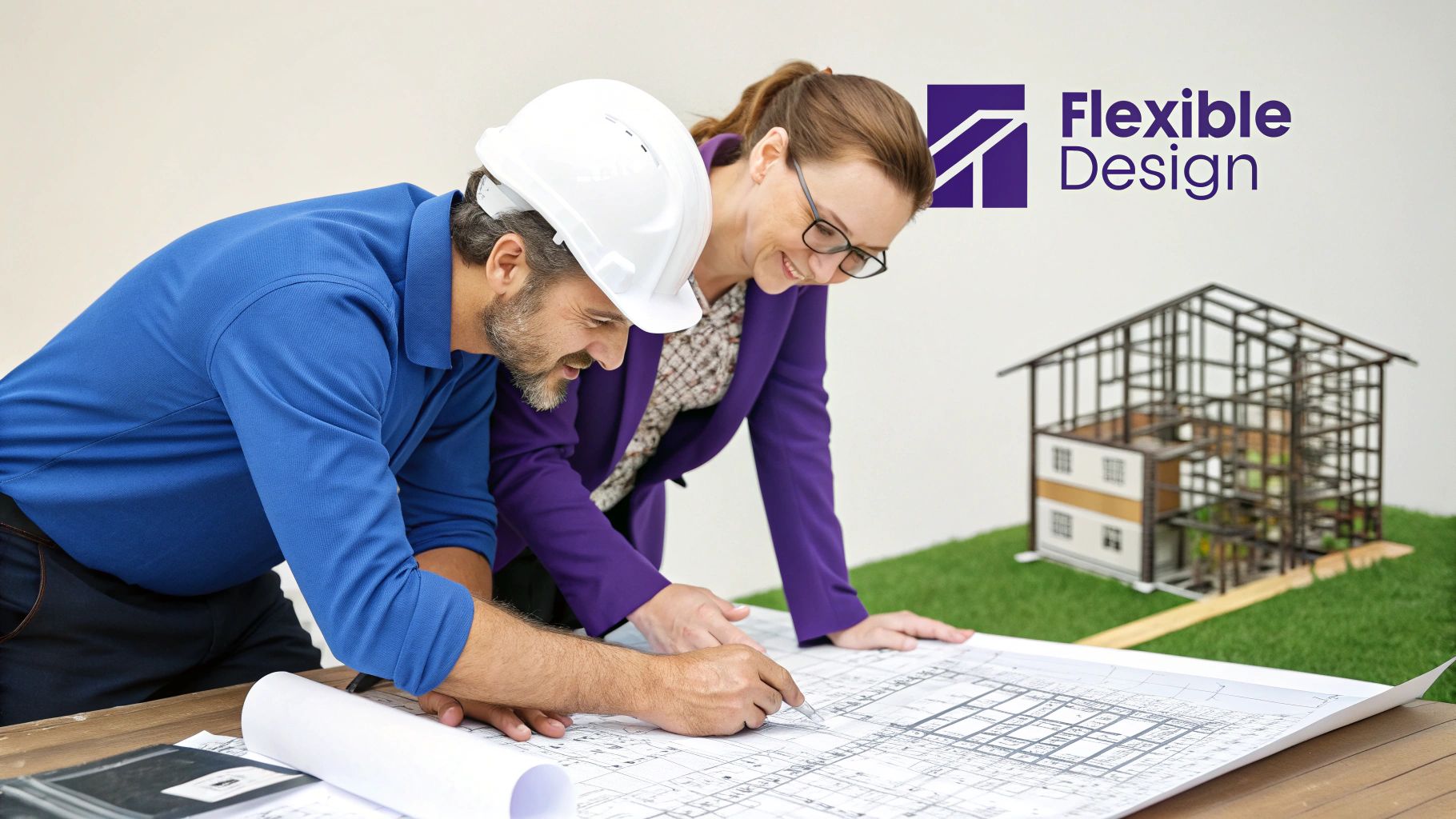
This is where the real fun begins and where the potential of custom steel buildings truly comes alive. We’re moving way beyond just length and width here. The design flexibility is where you shape a structure that’s not only perfect for its job but looks exactly how you want it to. Your vision leads the project, not the materials.
Think of the steel frame as the building’s strong, unyielding skeleton. The personality—the style, the character—comes from the "skin" and the features you wrap it in. This is your chance to get creative, making sure your building either stands out as a landmark or blends perfectly into its surroundings.
Crafting a Unique Architectural Identity
The outside of your building is what the world sees first, and with steel, you’ve got an incredible palette to work with. Let go of any preconceived notion of a plain metal box. Modern steel structures can easily go toe-to-toe with the aesthetics of any traditional building out there.
You can start by shaping the building's overall silhouette. This means choosing from different roof pitches, whether it’s a nearly flat roof for a sleek commercial vibe or a steeper pitch for that classic barn look. Adding simple architectural touches like overhangs, canopies, or a stylish portico can completely change the building's character while adding practical benefits like shade and weather protection.
The cladding, which is just the exterior wall material, is where you can make the biggest statement. While tough steel panels are a great, cost-effective choice, you are by no means limited to them.
- Brick or Stone Veneer: Add a full or partial veneer to give your building that timeless, high-end look you see on professional offices or retail shops.
- Stucco Finishes: This is the way to get that smooth, clean, and modern aesthetic common in both commercial and residential designs.
- Wood Siding: By incorporating handsome wood accents, you can create a warm, rustic feel that’s perfect for workshops, event venues, or even a barndominium-style home.
The steel structure at the core provides the muscle and durability, while the exterior finishes let you achieve virtually any architectural style you can dream up. It’s the best of both worlds.
Here's a quick look at how you can mix and match options to create a completely custom look.
Customization Options for Steel Buildings
| Building Component | Standard Options | Custom Upgrade Options |
|---|---|---|
| Structure | Standard Gable Roof | Single-Slope, Gambrel, or Monitor Rooflines; Custom Overhangs & Canopies |
| Exterior Walls | 26-Gauge Steel Panels | Insulated Metal Panels (IMPs), Brick/Stone Veneer, Stucco, Wood Siding |
| Doors | Personnel Doors, Roll-Up Doors | Large Bi-Fold Doors, Glass Storefronts, Custom Overhead Doors |
| Windows | Fixed Pane, Single-Hung Windows | Energy-Efficient Windows, Skylights, Large Picture Windows |
| Interior | Unfinished (Exposed Frame) | Full Interior Framing, Drywall, Liner Panels, Custom Partitions |
| Insulation | Fiberglass Batts | Spray Foam Insulation, Rigid Board, Insulated Metal Panels (IMPs) |
This table just scratches the surface, but it shows how you can tailor every single part of the building to fit your exact needs and style.
Unlocking Interior Potential with Clear-Span Design
One of the single biggest advantages of a steel frame is its ability to create massive, wide-open interior spaces. We call this clear-span design, and it means you can have a huge interior without a single pesky support column getting in the way.
This feature is an absolute game-changer for so many uses. For a warehouse, it means forklifts have free rein and you can set up racking in the most efficient way possible. In a gym or athletic facility, it gives you the unobstructed court space you need for basketball or indoor soccer. For an aircraft hangar, it’s what allows you to maneuver large planes with ease. That kind of structural freedom just isn't possible with wood framing at the same scale or price point.
To see how clear-span design benefits different projects, check out our ultimate guide to steel building kits, which dives into everything from residential homes to huge commercial facilities.
Functional Customizations for Peak Performance
Beyond just looks and open space, custom steel buildings let you bake in features that boost performance, comfort, and everyday usability. These functional details are all worked out in the design phase to make sure they’re integrated perfectly from the start.
High-performance insulation is non-negotiable for climate control and keeping energy bills down. Your options run from standard fiberglass batts to more advanced choices like spray foam or insulated metal panels (IMPs), which offer superior thermal resistance and can dramatically cut your heating and cooling costs over the years.
Ventilation is another key piece of the puzzle, especially for workshops or agricultural buildings where air quality is crucial. You can add ridge vents, louvers, or powered exhaust fans to keep air circulating, control moisture, and maintain a healthy environment inside.
Finally, you get total control over where every door and window goes. This covers everything from standard personnel doors and energy-efficient windows to massive, specialized openings like overhead doors, roll-up doors, and bi-fold doors designed to accommodate large vehicles or machinery.
Your Step-by-Step Design and Planning Roadmap
Turning a great idea into a tangible set of construction-ready plans is a journey. It might seem complicated at first, but breaking the design and planning process down into a clear, step-by-step roadmap makes it completely manageable. More importantly, it ensures no critical details get missed. This pre-construction phase is where your vision for a custom steel building truly begins to take shape.
Think of it like planning a cross-country road trip. You wouldn’t just start driving; you'd map out the route, choose the right vehicle, and check for any road closures ahead. A successful building project is no different. It relies on a well-defined plan that guides you from the first spark of an idea to the final groundbreaking.
Phase 1: Conceptualization and Definition
Every great project starts with a clear purpose. Before you even think about colors or door styles, you need to nail down the building's core function. What problem is this structure going to solve? Is it for commercial storage, an agricultural workshop, a new retail space, or a personal garage?
Once you know the why, you can start outlining the what. This means figuring out the right dimensions—length, width, and height—to meet your day-to-day needs. Don't forget to consider future growth, either. A slightly larger footprint now could save you the massive cost and headache of an expansion down the road. This is also the time to list your must-have features, like specific door types, window placements, or insulation requirements.
Phase 2: Assembling Your Project Team
With your concept in hand, the next move is to find the right partners to bring it to life. You'll typically work directly with a reputable steel building manufacturer or an architect who specializes in pre-engineered structures. A good manufacturer will have in-house experts ready to guide you through the entire process, from refining your design to final engineering.
When choosing your team, look for experience, a strong portfolio of similar projects, and clear communication. This partnership is crucial—they're the ones who will translate your ideas into precise technical specs. Don't be afraid to ask for references or case studies. A great partner will be excited to show you their past successes and explain how they'll help you achieve yours. Once you have a clear vision, it's the perfect time to get a free steel building quote to get a handle on potential costs and options.
Phase 3: Engineering and Digital Design
This is where your vision gets converted into a detailed, buildable blueprint. Modern steel building design leans heavily on advanced software to create incredibly precise 3D models. This tech allows engineers to test for structural integrity, making sure your building can stand up to local wind, snow, and seismic loads.
These aren't just fancy pictures. The use of advanced manufacturing tech, including automation and Building Information Modeling (BIM), boosts precision, cuts down on waste, and speeds up construction. This digital-first approach ensures every beam, panel, and bolt is perfectly fabricated for a flawless fit on-site.
By using 3D modeling, potential conflicts or design flaws are caught and corrected on a screen—long before any steel is ever cut. This virtually eliminates expensive on-site mistakes and guarantees a smooth assembly process.
The infographic below shows the typical timeline from the factory floor to your job site.
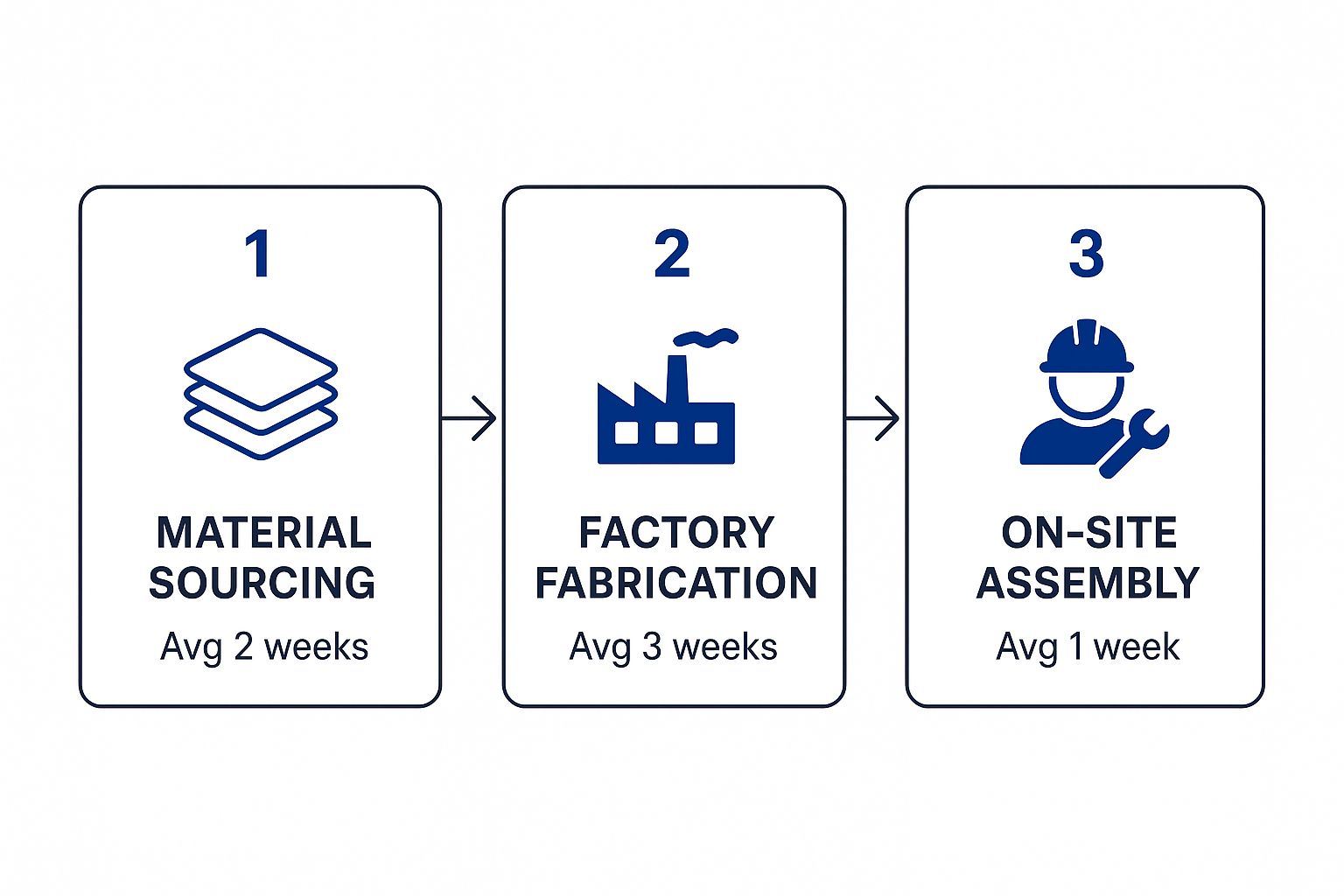
As you can see, the bulk of the timeline is dedicated to controlled, off-site manufacturing, which dramatically shortens the time spent on actual on-site construction.
Phase 4: Navigating Permits and Codes
The final hurdle before manufacturing can begin is securing the necessary permits. Every town and county has its own set of building codes and zoning regulations you'll need to follow. Your building partner will provide the certified engineering drawings required for your permit application.
It's smart to get this process started early, as getting approval can sometimes take several weeks or even months. You'll need to submit the plans to your local building department for review. Once they give the plans their stamp of approval and issue a permit, you have the green light to move forward with manufacturing and site prep. Getting this bureaucratic step right from the start prevents legal headaches and keeps your project from getting stalled.
Breaking Down the Costs of a Steel Building
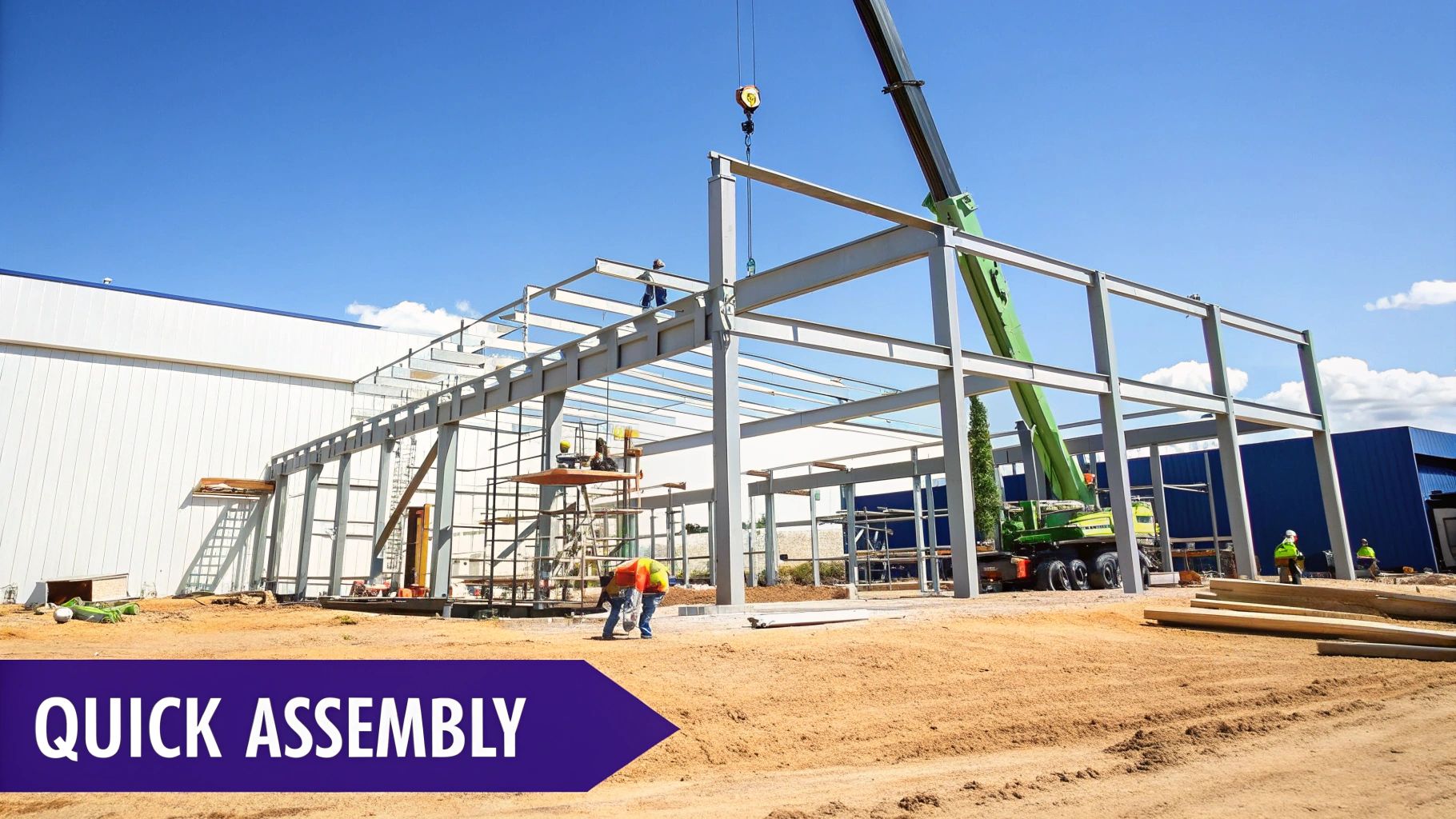
Let's have an honest conversation about the investment. For any project, this is one of the most important steps. When it comes to custom steel buildings, looking past a simple price-per-square-foot guess is the only way to build a realistic budget and see exactly where your money is going.
The total cost isn't just one number; it's a combination of several different pieces. By breaking them down, you get a much clearer financial picture and can make smart decisions that line up with your goals and resources.
The Base Building Package
Think of this as the core of your investment. The base building package includes all the essential structural parts you need to create the skeleton and shell of your building, all manufactured and delivered right to your property.
This foundational cost almost always covers:
- Primary Framing: The big steel I-beams that create the rigid structural support.
- Secondary Framing: These are the girts and purlins that run between the main frames, holding up the wall and roof panels.
- Wall and Roof Panels: The exterior steel sheeting that closes everything in.
- Standard Hardware: All the bolts, fasteners, and sealants needed to put it all together.
This package gets you a weatherproof shell, but it's really just the starting point for your total project cost.
Understanding this base cost is your first step. It establishes the price for the core structure before any site work, assembly, or interior finishing is factored in.
Customization and Upgrade Costs
This is where you make the building truly yours, and it’s also where costs can really start to differ. Every single choice you make, from the look of the building to how it functions, will impact the final price tag. Specialized doors, better insulation, and premium finishes all add to the budget.
For example, swapping standard roll-up doors for massive, insulated bi-fold doors on an aircraft hangar is a significant expense. The same goes for choosing high-performance insulated metal panels (IMPs) instead of standard fiberglass insulation—it costs more upfront but pays you back in long-term energy savings. You can get a more detailed look at the average cost of a steel building to see how different features affect the bottom line.
On-Site Construction and Soft Costs
Many of the biggest expenses happen right on your property. People often overlook these costs in their initial estimates, but they are absolutely critical for a complete budget.
- Foundation: A concrete slab or pier foundation is a must to anchor the building. Its cost will depend on the building's size, your local soil conditions, and labor rates in your area.
- Site Preparation: This covers everything from clearing the land and grading it for proper drainage to making sure you have access to utilities.
- Assembly Labor: The cost to hire a crew to put up the steel building can change based on how complex the project is and what regional wages are like.
Beyond the physical work, you also have "soft costs," which are the necessary administrative expenses. These include things like architectural design fees, structural engineering reviews, and the fees for pulling local building permits. To get the most from your investment, it's always smart to find ways to reduce construction costs where you can.
Simple Maintenance to Protect Your Investment
A custom steel building is a major asset, but here's the good news: protecting your investment is surprisingly simple. Steel is already known for being incredibly low-maintenance compared to traditional materials, and a few quick checks are all it takes to keep it in prime condition for decades.
Think of it like owning a reliable car—you don't have to be a mechanic, but you know that routine oil changes and tire checks prevent big headaches down the road. It's the same principle here. A few simple walk-arounds will keep small issues from ever becoming large ones, preserving your building’s value and structural integrity with minimal effort.
Your Essential Maintenance Checklist
The best way to stay on top of things is to build a simple, repeatable inspection routine. Honestly, a quick check once or twice a year is usually all that’s needed to keep everything looking sharp. This isn't about hard labor; it's about being observant.
Here are the key areas to focus on during your walk-through:
- Check Fasteners and Connections: Take a look at the bolts and screws, especially around the roof and walls, to make sure they remain snug. Temperature changes cause minor expansion and contraction, so a quick check for tightness helps keep the structure perfectly secure.
- Inspect Sealants and Weatherstripping: Look at the seals around your doors, windows, and any other openings. If you spot any cracking or peeling, applying fresh sealant is an easy fix that keeps water and drafts out, protecting everything inside.
- Clear Gutters and Drainage Paths: Leaves, twigs, and other debris can easily clog up gutters and downspouts. Making sure these are clear allows water to flow away from your building’s foundation, which is crucial for preventing erosion and potential water damage.
A consistent maintenance schedule is your best defense against the elements. By catching and addressing minor wear and tear early, you effectively extend the lifespan of your building and maintain its clean, professional appearance.
Keeping Your Building Looking Its Best
Beyond the structural checks, keeping the exterior finish of your custom steel building in great shape is just as straightforward. The high-quality paint coatings used today are designed to last for years, but a little care goes a long way.
To ensure your roof lasts as long as possible, a proactive maintenance plan is key. A thorough review once or twice a year using a detailed commercial roof inspection checklist will help you spot potential issues before they escalate.
For general cleaning, a simple wash with water and a mild detergent is typically all you need to remove dirt and grime from the wall panels. If you do happen to find a deep scratch that exposes the metal underneath, touching it up with a manufacturer-recommended paint is vital to stop any chance of corrosion in its tracks.
Common Questions About Custom Steel Buildings
Even after digging into all the benefits and processes, you probably still have a few practical questions rattling around. Getting straight answers is key before you move forward with a custom steel buildings project, so let's tackle the most common ones right here.
Think of this as the final check-in before you commit—a quick Q&A to give you the confidence that you've covered all the bases.
How Long Does the Entire Process Take?
This is the big one, and the honest answer is: it depends on the complexity. For a pretty straightforward, standard-sized building, you could be looking at a timeline as short as 8 to 12 weeks from design to completion. That window covers everything—design, engineering, getting permits, fabrication, delivery, and the on-site assembly.
But if you're planning a highly customized or massive structure, it’s going to take longer. Things like intricate designs, major site prep work, or slow local permit offices can definitely extend the timeline. The actual manufacturing of the steel is surprisingly fast—often just a few weeks. The real variables are almost always in the planning and approval stages before the steel even shows up.
Are Steel Buildings Genuinely Energy-Efficient?
Absolutely, but their efficiency is all about the insulation you pack them with. An uninsulated steel building is just a shell; it might reflect some sun, but it won't hold onto heat or keep it out effectively. The real magic happens when you install a high-quality insulation system.
Modern insulation options can create an incredibly efficient thermal barrier, keeping the inside comfortable and your heating and cooling bills way down.
- Fiberglass Batts: The go-to, effective choice for most climates.
- Spray Foam: This stuff is fantastic for creating a superior air seal. It gets into every nook and cranny, eliminating drafts and delivering top-tier thermal performance.
- Insulated Metal Panels (IMPs): These are the premium option. They’re factory-made panels with insulation already sandwiched between steel layers. You get maximum R-value and a clean, finished look on the inside right out of the box.
With the right insulation package, a custom steel building can easily meet or even blow past the energy efficiency of traditional construction. That translates into serious long-term savings on your utility bills.
Can I Easily Expand My Building Later?
Yes, and this is one of the most practical advantages of building with steel. These structures are designed with future growth in mind. Because they're modular, adding more length to your building is a very direct process.
When you're ready to expand, the end wall is simply unbolted and removed. New primary frames are then bolted onto the existing structure to create as many new bays as you need. Finally, the original end wall is reinstalled at the new end of the building. It’s a clean system that lets your space grow with your business or family, no teardown required.
What Kind of Foundation Is Required?
Every single steel building needs a solid concrete foundation to anchor it securely to the ground. The exact type of foundation really depends on your building's size, what you'll be using it for, and the soil conditions on your property.
The most common choice by far is a concrete slab, which gives you a durable floor and solid anchor points all in one pour. For really large buildings or sites with poor soil, you might need something more robust, like a foundation with concrete piers drilled deep into the ground. Don't worry about figuring this out yourself—a certified engineer will always specify the exact foundation requirements in your official building plans.
Ready to turn your vision into a durable, high-performance structure? The team at Icon Steel Buildings is here to guide you through every step, from initial design to final construction. Get started today by exploring your options.
https://iconsteelbuildings.com
Article created using Outrank