
When you hear "metal building," what comes to mind? For a lot of people, it's a simple, utilitarian grey box. But that’s like saying all vehicles are just sedans.
The reality is a whole world of structures, each designed for a specific job—from a bustling retail storefront to a quiet backyard workshop or even a high-tech modern farm. Each style offers its own unique mix of benefits in cost, space, and sheer toughness.
Breaking Down the World of Metal Buildings
"Metal building" is an incredibly broad term. Think of it like the word "vehicle." A zippy little two-door and a massive 18-wheeler are both vehicles, right? But you wouldn’t try to haul lumber in a sports car.
It’s the same with metal buildings. The structure you'd need for a massive commercial warehouse is a completely different beast from a personal two-car garage or an agricultural barn.
Getting a handle on these key differences is the first step toward making a smart investment. The perfect choice boils down to what you’ll be using it for, your budget, and what you need it to do for you down the road. Nail this decision, and your building will perform exactly as you need it to for decades. Get it wrong, and you could be facing unnecessary costs and frustrating limitations.
This hierarchy diagram shows how the main categories—commercial, agricultural, and personal—branch out into more specific uses.
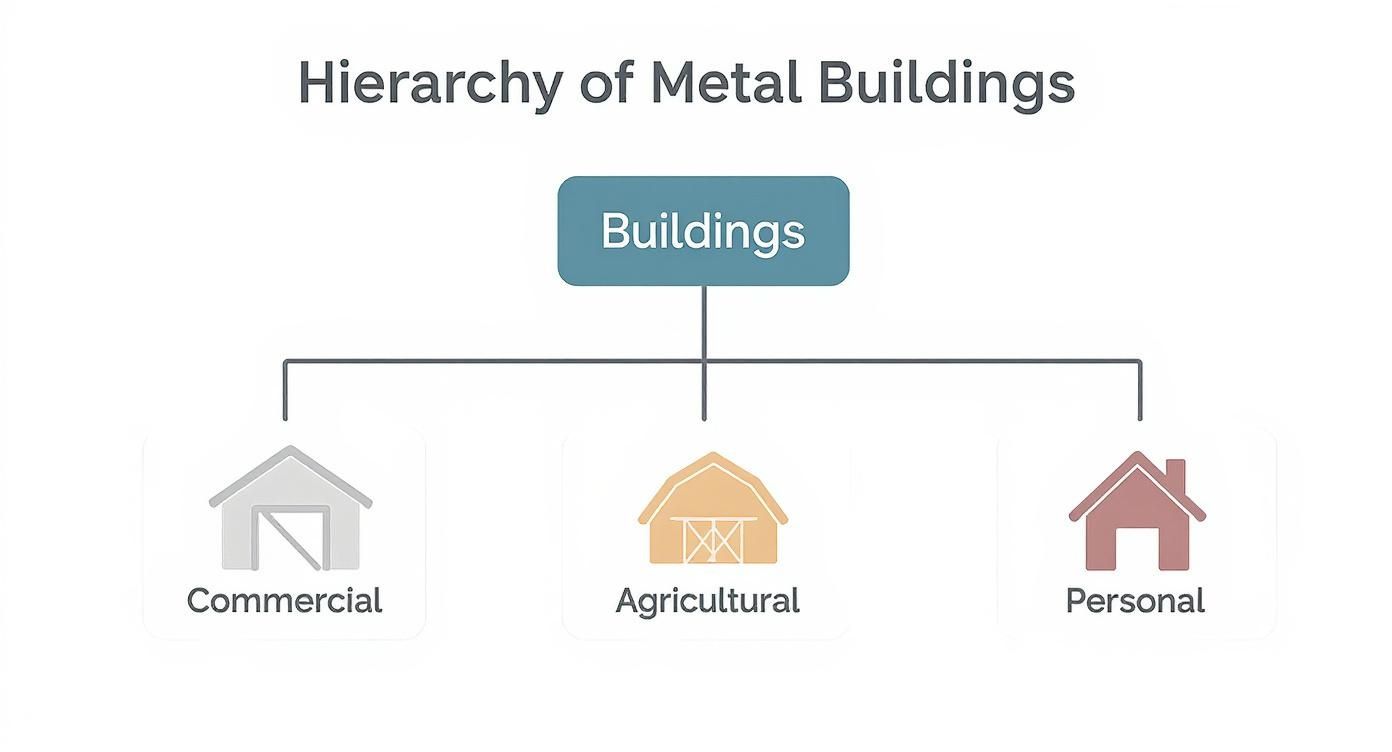
As you can see, your project's function is what really drives the design choice. Whether it's for business, farming, or your own backyard, that’s where you start.
To give you a quick lay of the land, here’s a table that breaks down the main building types and where you’ll most often see them in action.
Metal Building Types at a Glance
| Building Type | Primary Use | Key Feature |
|---|---|---|
| Commercial | Warehouses, retail, offices | Large clear-span interiors |
| Agricultural | Barns, equipment storage | High resistance to weather/pests |
| Residential/Personal | Garages, workshops, homes | Design flexibility and affordability |
| Recreational | Gyms, indoor sports arenas | Tall ceilings and open layouts |
These aren't just niche structures anymore; their popularity is exploding. The global market for metal building materials hit USD 124.98 billion back in 2025 and is on track to reach USD 150.73 billion by 2033. That’s some serious, steady growth.
If you want to get into the nitty-gritty of market trends, you can check out this detailed market report. For a closer look at specific projects and to get some fresh ideas, our steel building blog is packed with real-world examples.
Powering Business with Commercial Steel Buildings
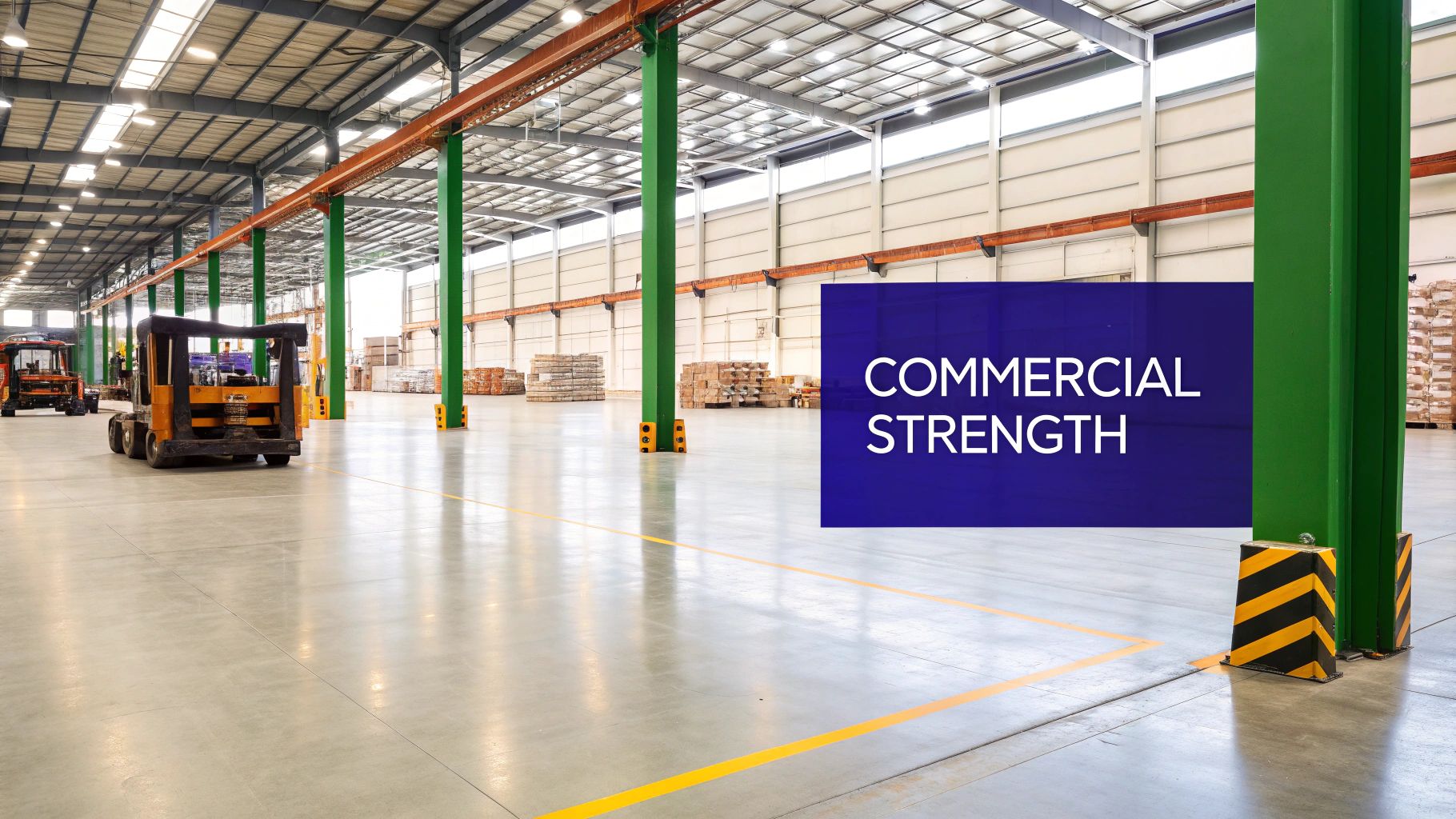
When it comes to business, you need a space that works as hard as you do. That’s where commercial steel buildings come in. Think of them as the ultimate blank canvas, ready to be shaped into whatever your operation needs, whether that’s a bustling warehouse, a sleek retail storefront, or a high-tech manufacturing facility.
What really sets them apart is their clear-span interior. With no columns cluttering the floor, you have total freedom. You can set up robotic assembly lines, line up rows of retail displays, or stack inventory to the ceiling without anything getting in your way. And if your needs change? Reconfiguring the layout is a breeze.
Time is money, and this is where steel buildings really shine. Because the components are prefabricated, a commercial structure goes from blueprint to reality way faster than traditional construction. A mid-sized warehouse, for instance, can be up and running in as little as 8 weeks. Compare that to the months you'd wait for a concrete building, and you can see why so many businesses are making the switch. You're open for business sooner, which means revenue comes in faster.
Here's a quick look at the major perks:
- Clear-span design for complete layout flexibility
- Rapid assembly gets your doors open faster
- High load capacity to handle heavy machinery and inventory
- Minimal maintenance, saving you money for years to come
“A steel warehouse cut our build time by 40% and allowed us to scale operations faster,” reports one mid-sized distributor.
These advantages hit your bottom line directly. That’s why you see so many logistics companies, retailers, and manufacturers turning to steel. They need that wide-open space to maneuver forklifts and manage massive shipments without being boxed in by interior walls.
Designing for Heavy Machinery
If you're in manufacturing, your building has to handle some serious weight. Steel framing is more than up to the task. When paired with a reinforced concrete slab, it can easily support loads over 500 pounds per square foot.
Need to install an overhead crane or add a second-story mezzanine for more office space? It’s far simpler with a steel frame that’s engineered from the start to handle those extra stresses.
Getting your facility ready for heavy equipment involves a few key steps:
- Work with an engineer to figure out your exact load requirements.
- Choose thicker steel columns or add reinforcements where needed.
- Pour a specialized concrete foundation with anchors integrated right into the slab.
Once the groundwork is laid, the steel frame is bolted down and raised. With smart engineering, you get a rock-solid plant floor that's ready for anything you can throw at it—from welding stations to CNC machines.
Of course, a durable building also needs top-notch security. If you're looking to protect your new facility, you might be interested in learning about the best commercial security systems to complement your structure.
Loading Docks and Logistics Features
A commercial building is only as good as its ability to move goods in and out. Steel buildings can be easily designed with all the features a logistics-heavy business needs, like large bay doors, dock-height access, and drive-in ramps.
These aren't just add-ons; they're essential for a smooth workflow. A well-designed distribution center might include:
- Three dock-level doors with insulated seals to keep the elements out.
- A separate drive-in ramp for handling oversized shipments.
- Integrated LED lighting over each station for safety and efficiency.
This kind of setup keeps trucks moving and operations flowing, even during the busiest seasons. And all the while, your valuable inventory is protected inside a tough metal shell that stands up to harsh weather and deters theft.
| Feature | Benefit | Typical Use |
|---|---|---|
| Dock-Level Doors | Efficient truck access | Warehouses |
| Clear-Span Interiors | Flexible shelving or machinery setup | Retail Stores |
Want to dive deeper into the possibilities? Check out our complete guide on commercial steel buildings to explore all the design options available.
Modernizing Farms with Agricultural Metal Buildings
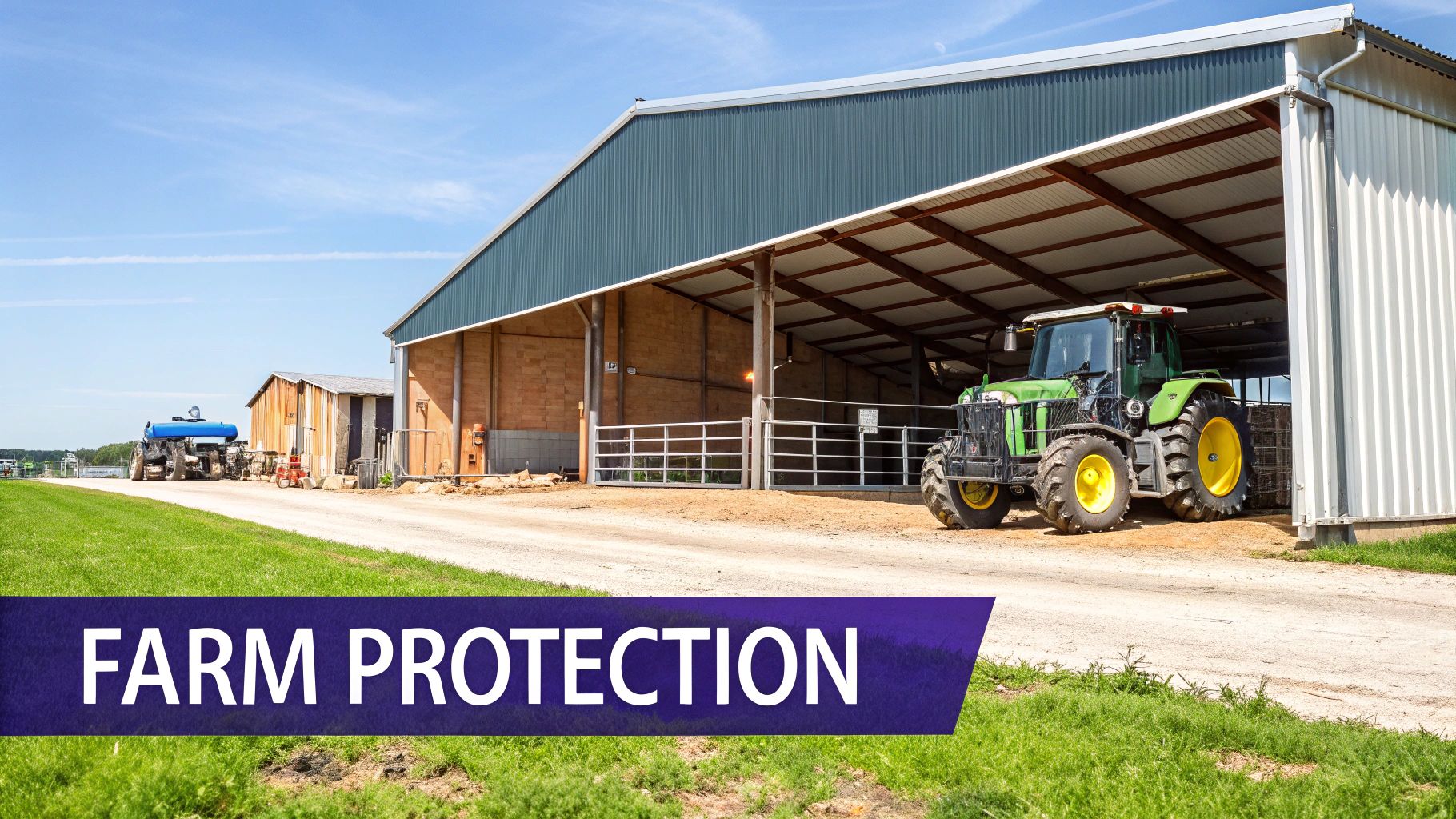
When you picture a farm, that classic red wooden barn probably comes to mind. While it's an iconic image, modern agriculture runs on equipment and assets that demand tougher, more versatile structures. Steel buildings are now the cornerstone of farming operations, providing serious protection for assets that can be worth hundreds of thousands of dollars.
Let's face it, you can't leave a brand-new combine harvester exposed to hail, sun, and snow. This is where steel really shines. Unlike wood, steel is completely unfazed by the problems that plague traditional barns. It doesn’t rot in damp conditions, it's immune to termites and other pests, and it offers far superior fire resistance—a massive advantage when you're storing flammable materials like hay or fuel.
This built-in durability means your investments and your livelihood are secure for decades to come.
Built for Every Farming Need
Agricultural metal buildings aren't just simple sheds; they are highly specialized structures designed for the specific jobs on your farm. Figuring out what you need is the first step to getting a building that works as hard as you do.
Here are a few of the most common applications we see:
- Equipment Storage: These buildings almost always have large roll-up doors and wide-open, clear-span interiors. This makes it a breeze to park and maneuver big machinery like tractors and combines without playing Tetris.
- Livestock Shelters: Keeping animals healthy is all about airflow. With custom ventilation systems, from ridge vents to louvers, you can ensure your livestock stay comfortable and healthy year-round.
- Hay and Feed Storage: A secure, fire-resistant structure is your best defense against moisture, pests, and fire hazards. Protecting your valuable feed from spoilage saves a ton of money.
- Workshops: Having a dedicated, insulated space for equipment maintenance and repairs is a game-changer. It keeps operations running smoothly, especially during those critical planting and harvest seasons.
For a farm, a metal building isn't a cost—it's an asset protector. The structure's ability to withstand severe weather and pests directly translates to lower risk and better financial stability for the entire operation.
This level of customization ensures every structure performs its job perfectly. For larger operations, it's also smart to think about how your buildings will work with other essential gear, like the various agricultural IBC totes used for storing and moving liquids.
Smart Customizations for Farm Efficiency
Modern metal farm buildings can be designed with clever features that boost productivity and make life easier. One of the most popular and budget-friendly additions is a lean-to. This is a simple, single-slope structure that attaches right to the side of your main building, giving you extra covered space without the cost of a full-blown extension.
A lean-to is perfect for:
- Sheltering smaller implements from the sun and rain.
- Creating a covered area for quick repairs on the fly.
- Storing firewood or other materials that need to stay dry but easily accessible.
By planning for these smart additions from the start, you can maximize your usable space and create a highly efficient workflow. To see how these features come together on real farms, you can check out a gallery of completed agricultural steel buildings and get some ideas for your own property. A little planning goes a long way in making sure every square foot is working for you.
Bringing Metal Buildings Home for Personal Use
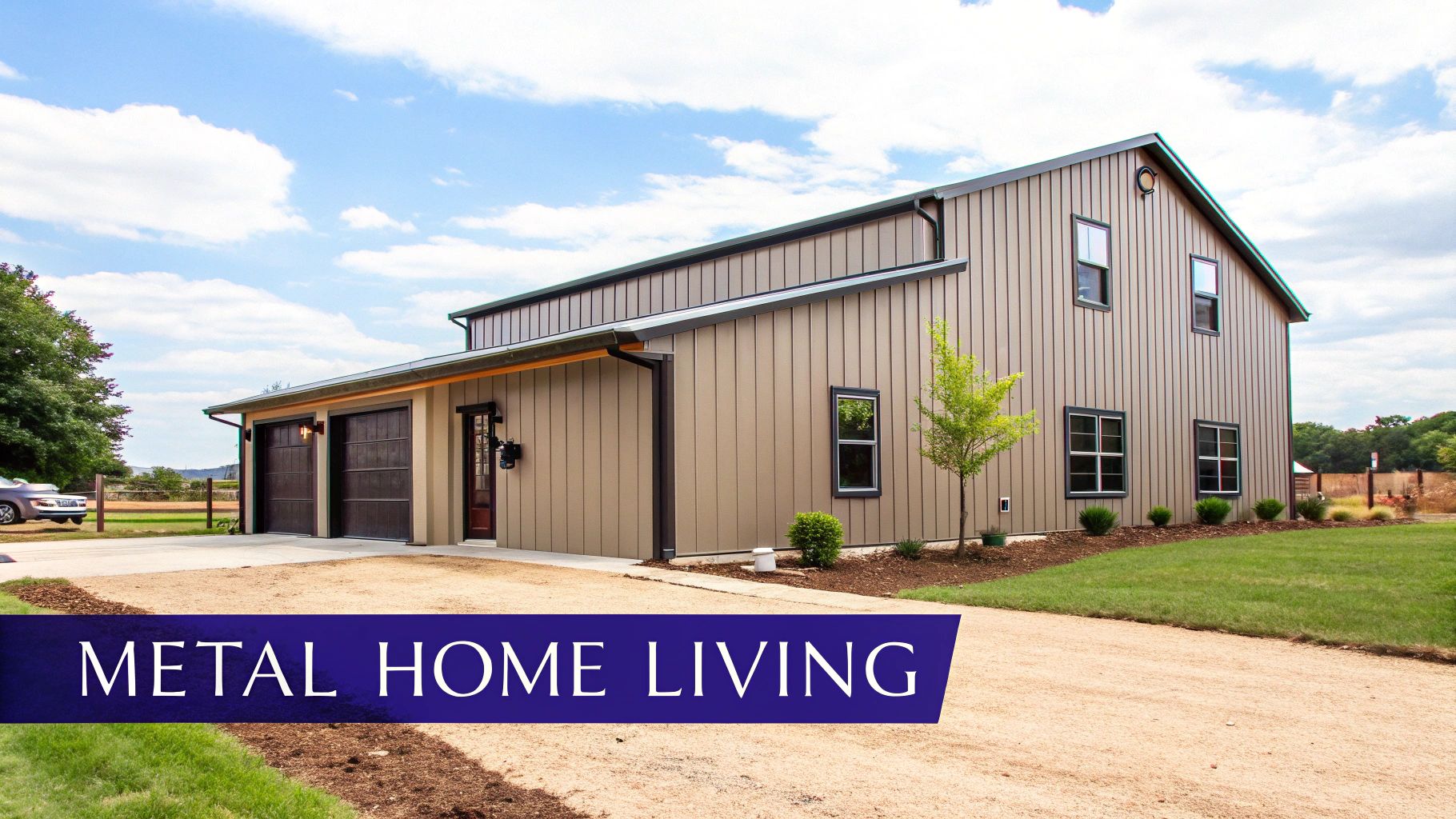
When you picture a metal building, you probably think of a sprawling warehouse or an industrial facility. But that stereotype is quickly fading. More and more homeowners are catching on to the killer combination of affordability, longevity, and surprising design freedom that steel brings to the table for personal projects.
This isn’t just about basic storage sheds, either. We're talking about a boom in creative uses, from stylish "barndominiums" that blend rustic country charm with clean modern lines to incredibly practical detached garages and workshops. This wave of interest is a huge reason the prefabricated metal building market is expected to hit $209,050 million by 2025.
More Than Just a Garage
While they’re perfect for protecting your vehicles, the ways you can use a metal building at home go way beyond a simple carport. Their clear-span interiors are the ultimate blank canvas for just about any hobby or passion, giving you a wide-open, post-free space you can truly make your own.
Just think about the possibilities:
- Personal Workshops: Finally get that dedicated space for woodworking, auto repair, or your craft business, with plenty of room to spread out tools and heavy equipment.
- RV and Boat Carports: Go with a taller design to give your biggest toys the protection they need from sun, hail, and snow.
- Home Gyms: The open layout is ideal for all your workout gear, with high ceilings perfect for a basketball hoop or climbing ropes.
- Stylish "Barndominiums": Jump on the trend of building a combination living and workspace that’s affordable, tough as nails, and looks amazing.
The real magic of a residential metal building is its chameleon-like ability to adapt. It can be a simple, no-frills functional space or a fully finished extension of your home, complete with insulation, drywall, and custom finishes.
This flexibility lets you build a structure that fits your life perfectly. If you're exploring the idea, our in-depth guide on metal buildings for residential use dives deeper into what’s possible.
Looks and Logistics
Forget the image of a plain metal box. Today’s residential metal buildings can be designed to match any home’s aesthetic. You have incredible control over the final look, with a huge palette of colors, options for stone or brick wainscoting, and architectural rooflines and windows that can mirror your existing house.
But before you get too far into the design, you have to handle the practical stuff. The single most important first step is checking with your local city or county about zoning laws and building codes. Some neighborhoods have specific rules or even restrictions on metal structures in residential areas. Doing that homework upfront will save you from massive headaches down the road.
Making an Informed Choice for Your Project
You’ve explored the different types of metal buildings, which is a great first step. But now it’s time to move from theory to practice. This is where the rubber meets the road—turning your vision into a real-world project requires you to nail down a few key details that will make or break your success and budget.
Before you even start picking out colors or door styles, your very first move should be a call to your local building department. Seriously. Navigating local building codes isn't optional, and they'll have the final say on everything from foundation depth to the specific snow and wind load ratings your structure must handle. This isn't just paperwork; it's the critical data needed to engineer your building correctly.
Key Factors Shaping Your Decision
Choosing the right building is about more than just its dimensions. The steel gauge, which is just a fancy term for its thickness, is a huge factor tied directly to those local codes. A building in a snowy mountain region will need a much thicker, stronger steel gauge to handle heavy snow loads than one in a sunny, mild climate.
The same goes for the foundation—it's the literal base of your entire investment. Depending on the building's size and the soil on your property, you might need anything from a simple concrete slab to more complex engineered footings. Our guide to understanding the metal building frame is a great resource to help you see how all these pieces fit together.
The right foundation and steel gauge aren't just suggestions; they are non-negotiable for safety and structural integrity. Cutting corners here is a recipe for disaster that can lead to catastrophic failure and voided warranties. It's truly the most important part of your planning.
Another big decision is whether to go with a DIY kit or a full turnkey installation. A smaller garage or carport kit can be a fantastic weekend project if you're handy. But for larger commercial or agricultural buildings, you'll need a professional crew with specialized equipment to get the job done safely and efficiently.
Balancing Vision with Budget
Finally, let’s talk money. While steel prices can fluctuate, the market has actually swung in the buyer's favor recently. Metal building prices have dropped by 10-20% since their post-pandemic peak, making now a really smart time to invest. You can see more on this by checking out the current steel market trends on TylerBuilding.com.
Your budget will also steer your customization choices. Features like premium insulation, upgraded windows, or wainscoting will add to the final cost, but they can also massively improve the building's functionality and curb appeal.
Customization Options Pros and Cons
Choosing your building’s features is often a balancing act between wants, needs, and budget. This table breaks down the trade-offs for some of the most common customization options to help you decide what's right for you.
| Feature | Pros | Cons / Considerations |
|---|---|---|
| High-Quality Insulation | Lowers long-term energy bills; improves comfort and climate control. | Higher upfront cost; requires professional installation for best results. |
| Premium Windows & Doors | Boosts natural light and curb appeal; improves security and energy efficiency. | Can be a significant budget item; custom sizes increase cost and lead time. |
| Wainscoting | Adds a decorative, high-end look; protects the lower wall panels from damage. | Purely aesthetic, adding to the cost without structural benefits. |
| Gutters & Downspouts | Protects the foundation from water damage; prevents soil erosion around the building. | Adds to the initial cost; requires periodic cleaning and maintenance. |
| Extended Overhangs | Provides extra protection from sun and rain; adds architectural style. | Increases material and labor costs; may require more complex engineering. |
Ultimately, the best choices will align with how you plan to use your building day-to-day. A workshop benefits hugely from good insulation, while a storage shed might not need it. Think through your priorities, and you'll end up with a building that serves you well for decades.
Time to Choose Your Perfect Metal Building
So, we’ve walked through everything from massive commercial warehouses and rugged farm buildings to stylish residential workshops. It can feel like a lot to take in, but choosing the right metal building really boils down to one simple question: What are you going to use it for?
The “best” building isn’t a specific model. It's the one that fits your project, your land, and your budget like a glove.
Pinpointing Your Ideal Structure
Think about what you truly need. Are you starting a business and need wide-open floor space for forklifts and inventory? Then a commercial rigid-frame building with a clear-span design is probably your answer. Need to protect that new six-figure combine from a hailstorm? An agricultural building designed for heavy-duty protection is a must-have, not a nice-to-have.
Maybe your plans are a bit closer to home, like a backyard workshop for your woodworking hobby or a garage for that classic car you’re restoring. A smaller, highly customizable residential building gives you exactly what you need without breaking the bank. Each goal points to a different type of structure.
The smartest metal building projects don't start with a blueprint. They start with a rock-solid vision of how the space will be used day in and day out. Always let function lead the design.
By getting specific about your primary use, you can cut through the noise and filter your options with confidence. Use what you've learned here to make a list of your non-negotiables. To really nail down your decision, ask yourself these final questions:
- Main Purpose: What’s the number one job this building needs to do?
- Future Plans: Do you see yourself needing to expand or change the layout in the next 5 to 10 years?
- Local Demands: What are the specific wind, snow, and seismic codes you have to meet in your area?
- Budget vs. Wants: Which features are absolutely essential, and which ones are just icing on the cake?
Answering these questions turns a fuzzy idea into a solid plan. Now you’re ready to talk to builders, ask the right questions, and get your project off the ground. The perfect metal building for you is out there—and now you have the map to find it.
Alright, even after diving into all the different types of metal buildings, you probably have a few practical questions still rattling around in your head. That's completely normal. Let's tackle some of the most common ones I hear all the time to give you the straightforward answers you need.
What Is the Typical Lifespan of a Metal Building?
This is a big one, and the answer is impressive. A well-maintained steel building can easily last 50 years or more.
What makes the difference is the quality of the steel itself, the protective coatings used, and—critically—proper installation. Modern steel with galvanized or Galvalume coatings gives these structures a fantastic defense against rust and the elements. All it takes from you is a simple annual walkaround to check for scratches, tighten any loose fasteners, and make sure your drainage paths are clear. Do that, and your building will stand strong for decades.
Are Metal Building Kits Difficult to Assemble?
The honest answer? It depends entirely on the size of the project.
Those smaller kits, like a simple carport or a one-car garage, are often designed with the DIYer in mind. If you have some basic tools and a friend to help, you can usually get it done over a weekend.
But when you step up to larger structures—think commercial warehouses or big, multi-bay workshops—you're almost always going to need a professional crew. These projects require heavy equipment like a crane and specialized knowledge to get right. My best advice is to be realistic about the project's scope and your own skill set before deciding to tackle the assembly yourself.
What’s the Difference Between a Rigid Frame and an Arch-Style Building?
This question comes up a lot, especially when people are thinking about usable space.
The key difference is in their internal space and structure. A rigid frame building uses I-beams to create straight walls and a traditional peaked roof, giving you 100% usable, clear-span interior space.
An arch-style building, often called a Quonset hut, has those distinctive curved walls that also form the roof. This self-supporting design is incredibly strong, but the curved sides do cut into your usable wall height. That makes it a better fit for bulk storage rather than a workshop where you'd want to line the walls with shelving.
How Customizable Are Metal Buildings?
Extremely. This is where metal buildings really shine and shake off that old "they all look the same" misconception. Beyond just picking the length, width, and height, you can select from various roof styles, a huge palette of colors, and tons of different door and window configurations.
You can also easily integrate features like:
- Insulation to keep your building comfortable and energy-efficient.
- Ventilation systems for better airflow, which is a must for workshops.
- Skylights to flood the interior with natural light.
- Gutters and downspouts to manage rain and snowmelt.
- Interior partition walls to create separate offices, rooms, or storage areas.
This level of flexibility means you can design a building that's perfectly suited for its purpose, whether that’s a cozy home workshop or a polished, professional storefront.
Ready to turn your vision into a reality? The team at Icon Steel Buildings is here to help you design the perfect structure for your needs. Explore your building options and get a custom quote today!