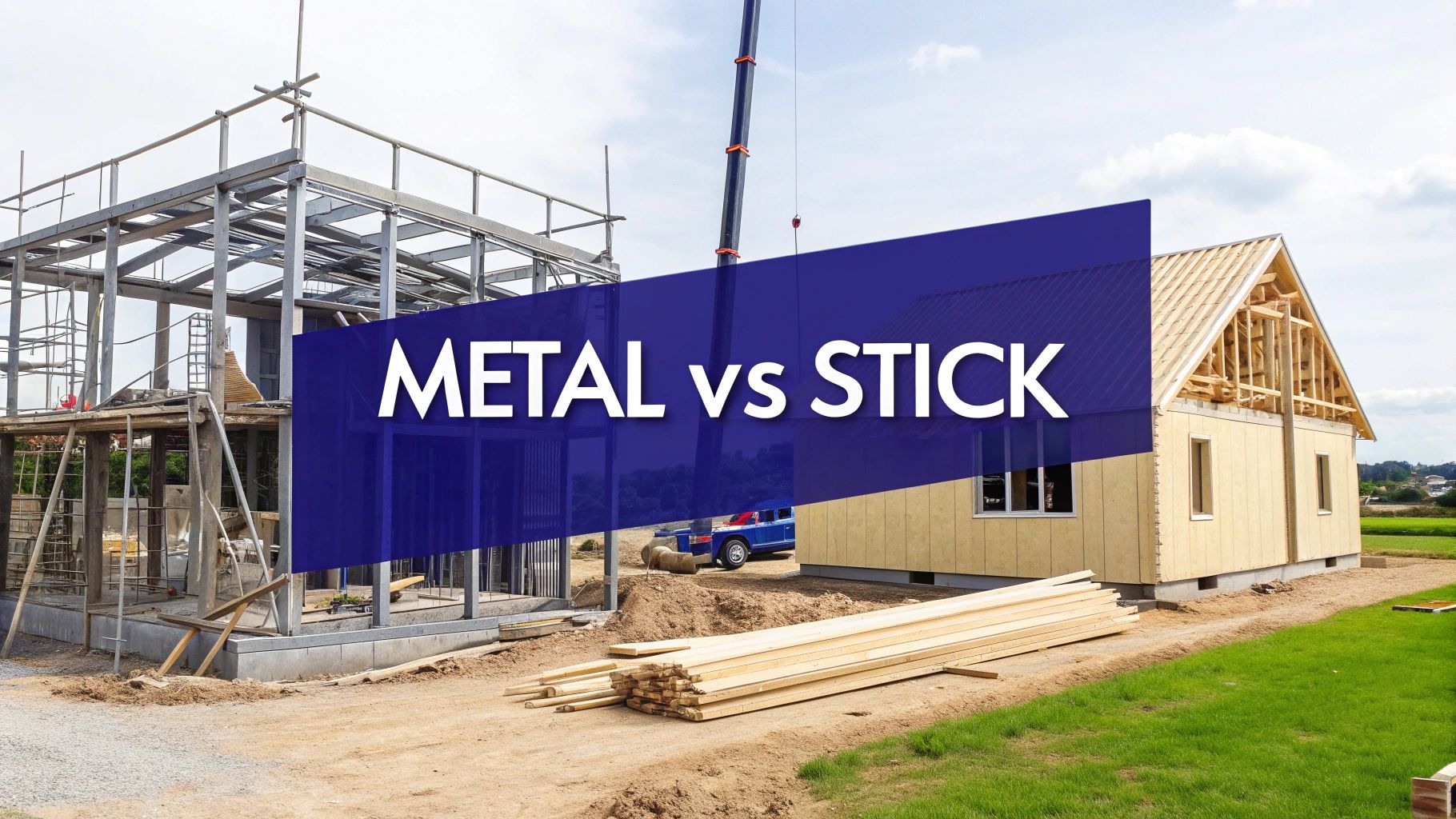
When you’re weighing a metal building against a traditional stick-built structure, it really boils down to two things: what it’s made of and how fast it goes up. Metal buildings bring speed and serious durability to the table, standing strong against pests and fire. On the other hand, stick-built construction delivers that classic look and works with all the conventional finishing options builders and homeowners know well.
Ultimately, your decision hangs on what you value most. Are you prioritizing long-term resilience and a quick turnaround, or is a traditional design and familiarity with the process more important?
Choosing Between Metal and Wood Construction
Deciding between a metal building vs a stick-built structure isn't just about the initial build—it’s about looking at the project's entire lifecycle, from breaking ground to decades of maintenance down the road. Each method has its own distinct advantages, and the "best" choice is rarely a simple one. It all comes down to your specific priorities for cost, speed, toughness, and design.
To make the right call, you have to dig a little deeper. A stick-built project, framed with traditional lumber, follows a very familiar on-site construction playbook that most contractors are comfortable with. This approach really shines in custom residential projects where intricate designs and conventional finishes are a must.
Then you have pre-engineered metal buildings, which use steel as the backbone. All the main components are manufactured with incredible precision off-site, then shipped and simply bolted together. This method slashes the construction timeline and is a perfect fit for projects where strength, wide-open interior spans, and minimal upkeep are key—think workshops, commercial warehouses, and agricultural buildings.
This image highlights some of the key performance metrics where pre-engineered steel really pulls ahead.
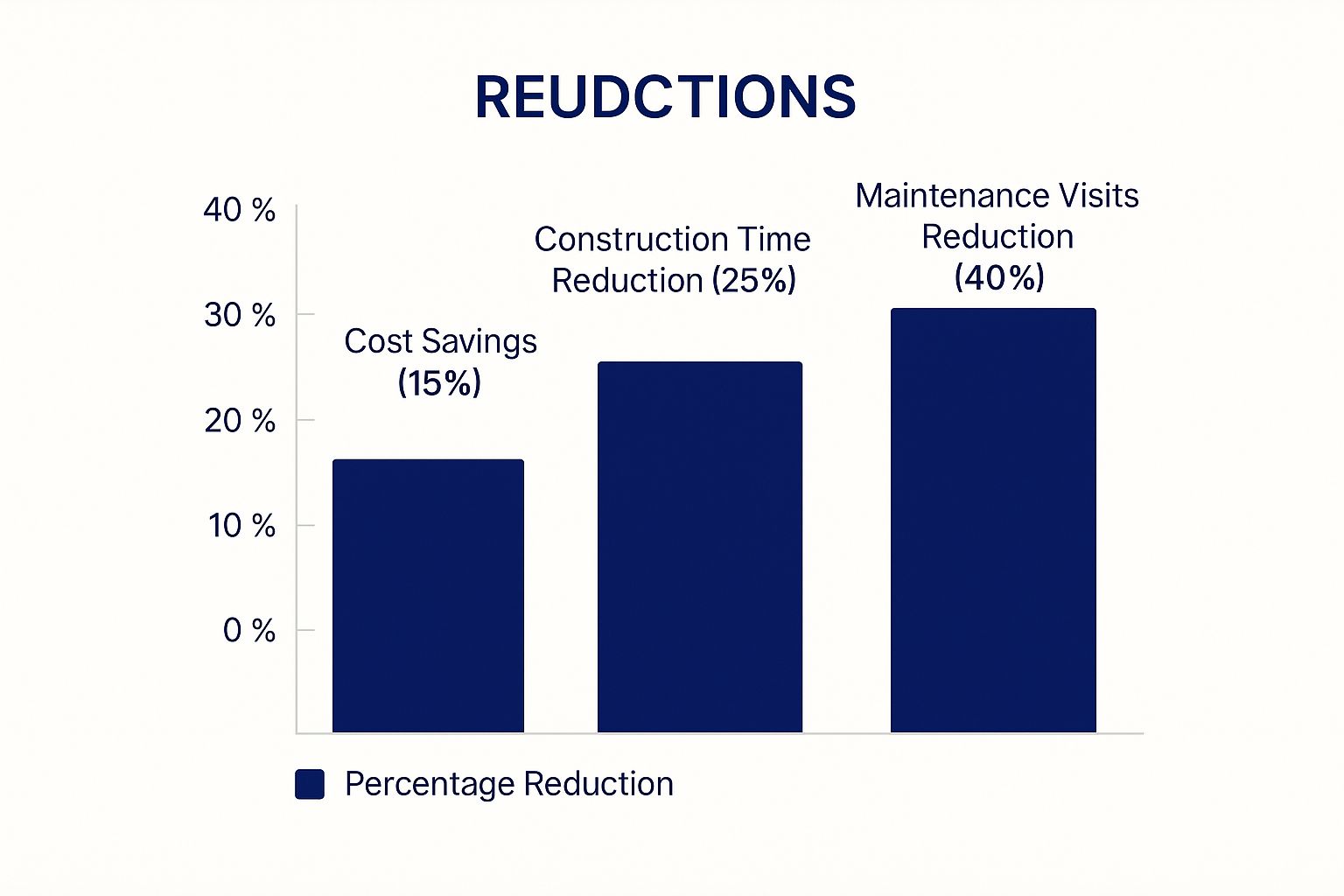
The data makes it pretty clear how the built-in efficiencies of steel building systems can lead to major long-term savings, both operationally and financially.
At a Glance Comparing Metal vs Stick Built
Before we get into the nitty-gritty of each factor, it helps to see the fundamental trade-offs side-by-side. This table gives you a quick snapshot of how these two construction types stack up.
| Factor | Metal Building | Stick-Built Building |
|---|---|---|
| Primary Material | Pre-engineered steel frames and components. | Dimensional lumber (e.g., 2x4s, 2x6s) and wood sheathing. |
| Construction Speed | Significantly faster due to off-site prefabrication. | Slower, sequential on-site construction process. |
| Initial Cost | Often lower for larger, simpler structures. | Can be lower for smaller, highly custom projects. |
| Durability | Highly resistant to fire, termites, rot, and pests. | Susceptible to rot, termites, fire, and moisture damage. |
| Maintenance | Minimal; requires occasional cleaning and inspections. | Regular maintenance, including painting, sealing, and repairs. |
| Interior Space | Allows for wide, clear-span interiors without columns. | Interior layouts are limited by load-bearing walls. |
This quick comparison gives us a solid foundation. As we go through this guide, we’ll expand on each of these points to help you figure out which approach truly aligns with your budget, timeline, and project goals.
Analyzing the Total Cost of Ownership
When you’re comparing a metal building vs. a stick-built one, the initial price tag is just the first chapter of a much longer financial story. To really get the full picture of your investment, you have to look beyond the upfront quote and analyze the total cost of ownership. This includes the initial materials and labor, of course, but also all the long-term expenses that pile up over the building's entire lifespan.
A stick-built structure, especially for a highly customized smaller home, can sometimes look cheaper on paper at first. Contractors everywhere are familiar with wood framing, and the materials can usually be sourced locally, which helps keep those initial expenses down for smaller projects. But that initial affordability can be a bit of a mirage once you start factoring in the recurring costs that kick in almost immediately after the keys are handed over.
On the other hand, pre-engineered metal buildings really start to show their financial muscle over time. While the upfront cost for a large commercial structure might be in the same ballpark or even a little higher, the savings you'll see in other areas add up fast, painting a much rosier long-term financial picture.
Beyond the Initial Build Cost
The real financial showdown begins right where most quotes end. There are a few key factors that feed into the total cost of ownership, and they're worlds apart when you compare steel and wood.
One of the most immediate perks of steel is a lighter insurance bill. Since steel is non-combustible and stands up to fire, pests, and rot, insurers see it as a much lower-risk asset. This can easily translate into annual savings of 30% or more on insurance premiums compared to a similar stick-built structure, which is vulnerable to all sorts of common problems.
Maintenance is another area where the differences are night and day. A wood building demands constant attention—you're looking at painting or staining every few years, sealing it against moisture, and always keeping an eye out for termites or rot. These jobs aren't just a hassle; they're a significant, recurring drain on your wallet for decades. A metal building, with its tough, factory-applied coatings, needs little more than an occasional wash-down.
The real cost of a building isn’t what you pay to erect it; it’s what you pay to keep it standing, insured, and efficient for the next 30 years. Overlooking long-term operational costs is one of the most common financial mistakes in construction planning.
The Long-Term Return on Investment
When you stretch the financial timeline out to 20 or 30 years, the return on investment for a metal building becomes crystal clear. Their natural durability means fewer unexpected repair bills, and their energy efficiency can lead to lower utility costs month after month. For a deeper dive into the numbers, take a look at our guide on the factors influencing commercial metal building costs.
Research on long-term expenses makes a compelling financial case for steel. Over a 20-year span, the total costs for a traditional stick-built commercial building—including construction, maintenance, and remodeling—can land somewhere between $670,000 and $1.1 million. In contrast, steel buildings consistently show lower maintenance needs, better energy efficiency, and higher resale value, which leads to massive cumulative savings over that same period.
This long-term view is what really matters. For a business owner, lower operational costs mean healthier profit margins. For a homeowner, it means more financial security and a higher-value asset. When it comes down to it, choosing steel is often a strategic financial move that pays dividends for years to come.
Comparing Construction Speed and Project Timelines
In the world of construction, time really is money. Whether you’re a retailer racing to open before the holidays or a logistics firm needing warehouse space to meet a sudden surge in demand, project delays can hit the bottom line hard.
This is where the metal building vs. stick-built debate gets interesting. The core difference isn’t just about materials; it’s about the entire construction philosophy. One method relies on precision off-site manufacturing, while the other is a step-by-step, on-site process.
A stick-built project unfolds in a predictable, linear sequence. The foundation gets poured, then a framing crew comes in to measure, cut, and assemble the wooden skeleton piece by piece. It's a labor-intensive approach that’s completely at the mercy of crew schedules and, most importantly, the weather. A week of rain can bring framing to a dead stop, creating a domino effect that pushes back the electricians, plumbers, and drywallers.
In sharp contrast, pre-engineered metal buildings are built on a parallel track. While your foundation is being prepped and poured on-site, the building’s essential components—the massive I-beams, secondary framing, and wall panels—are being fabricated with surgical precision in a factory. This off-site work sidesteps weather delays and ensures every part is engineered to fit perfectly, virtually eliminating nasty surprises on the job site.
The Prefabrication Advantage
That prefabrication model is the secret sauce behind the speed of steel construction. Once the components are delivered to your property, the job feels less like construction and more like an assembly project. A much smaller crew can bolt together the entire steel frame in a tiny fraction of the time it takes to frame a comparable stick-built structure. This streamlined approach doesn't just slash labor hours; it compresses the whole project schedule.
This accelerated timeline is a massive win for commercial projects. Think about it:
- Agricultural Operations: A farmer can get a new barn or equipment shed fully operational before harvest, protecting high-value assets.
- Retail Businesses: A new storefront can be erected and finished just in time to capture peak sales seasons, maximizing early revenue.
- Industrial Facilities: A manufacturer can expand production capacity months ahead of schedule, hitting output goals and seizing market opportunities faster.
Metal buildings simply offer faster installation times. Since the components are pre-engineered and fabricated off-site, project timelines shrink and labor costs drop. Stick-built construction, on the other hand, demands more on-site labor and time because every single element is built from raw lumber, often leading to longer, more unpredictable schedules.
Real-World Timelines and Potential Bottlenecks
While metal buildings are consistently faster, it's smart to look at the whole picture, including potential bottlenecks. The lead time for custom steel fabrication can sometimes be a factor, so it’s crucial to plan ahead during the design phase. But once that kit arrives, the on-site work is incredibly fast. You can get a better sense of the erection process in our detailed guide on metal building installation.
For a traditional build, the bottlenecks are almost always on-site. Finding skilled carpenters can be a real challenge, and weather is a constant wild card. To understand just how many steps can be thrown off schedule, it’s helpful to review a typical home construction timeline and see how one delay cascades into the next.
A stick-built project is built, making it subject to all the variables of a job site. A pre-engineered metal building is assembled, giving it the precision and predictability of a factory. This is the fundamental difference that dictates their project timelines.
Ultimately, the choice comes down to your priorities. If getting your building up and running as quickly and predictably as possible is at the top of your list, the streamlined, parallel process of a pre-engineered metal building offers an advantage that traditional construction struggles to match.
Evaluating Long-Term Durability and Maintenance
How will your building hold up after a few decades? A structure’s real value isn’t just about how it looks on day one—it’s about its performance after years of rain, sun, and general wear and tear. This is where the debate between metal and stick-built construction gets really interesting, shifting from upfront costs to long-term resilience and upkeep.
Wood has a classic appeal, no doubt. But it’s an organic material, which means it’s naturally susceptible to a long list of threats that can weaken it over time. Things like termite infestations, rot from moisture, and mold growth are constant worries for anyone who owns a traditional stick-built structure.
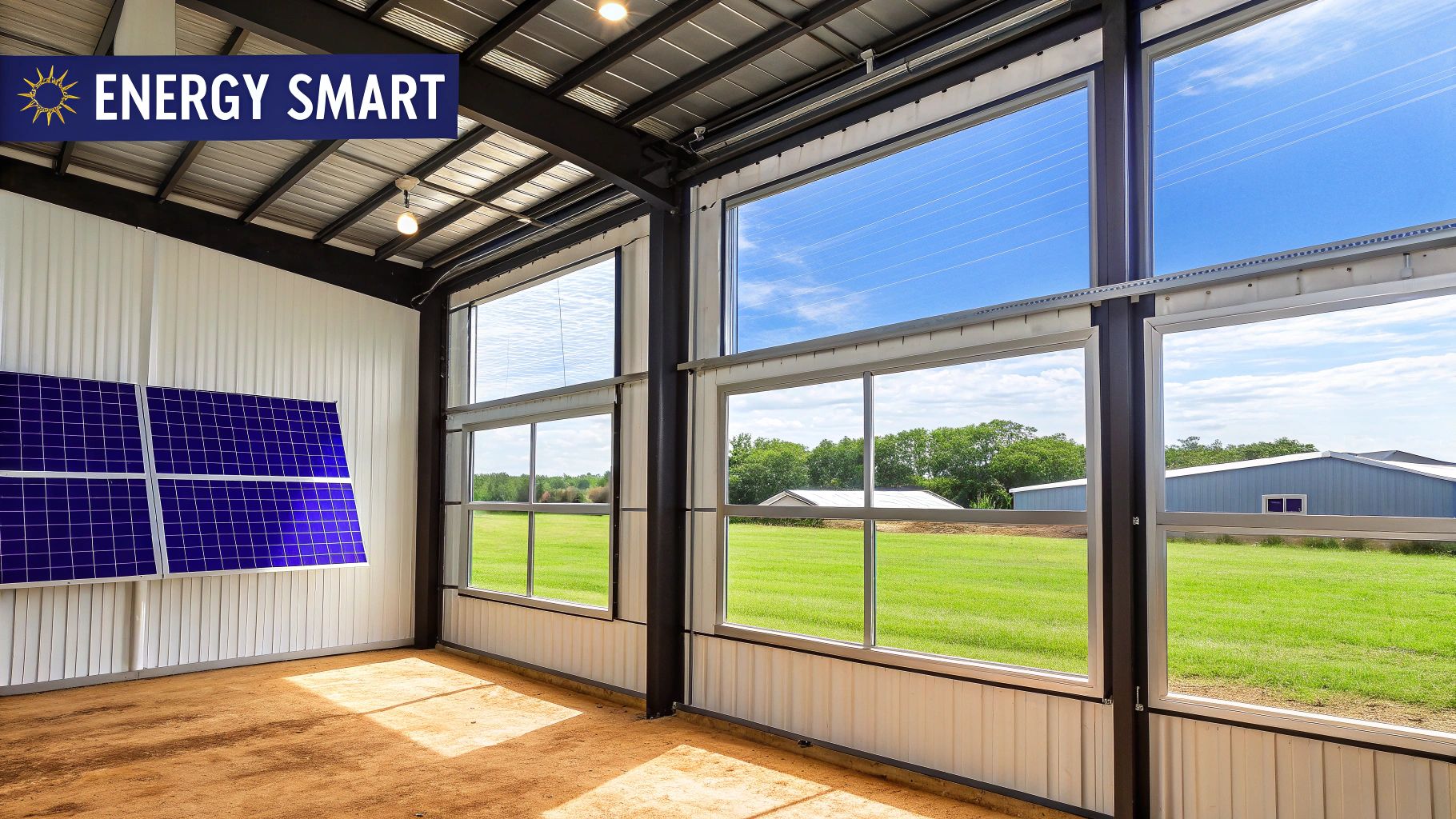
Steel, on the other hand, is inorganic. It’s completely immune to these biological headaches. Termites can’t eat it, moisture won’t make it rot, and mold has nothing to grow on. That simple fact alone eliminates an entire category of expensive and frustrating maintenance issues right from the start.
Resilience in Extreme Conditions
Beyond pests and rot, a building needs to stand strong when nature gets rough. When you compare how steel and wood perform in severe weather, steel’s superior strength-to-weight ratio really shines as a major engineering advantage.
Modern pre-engineered metal buildings are designed to meet specific local codes for wind, snow, and seismic activity. Their bolted steel connections and rigid frames form a tough, unified structure that can handle incredible force. It’s why they’re so often the first choice in areas prone to hurricanes, heavy snowfall, or earthquakes. For a closer look at how these buildings are engineered for safety, check out our guide on the safety of steel buildings in storms.
A stick-built structure depends on thousands of individual nails and staples holding countless smaller pieces of lumber together. While it’s built to code, this kind of assembly has more potential failure points when put under extreme stress. High winds can peel back roofing, and heavy snow can put immense pressure on trusses, making them far more vulnerable over their lifespan than an engineered steel frame.
A building’s durability isn’t just about surviving a single storm; it’s about its ability to endure repeated environmental stresses over 30 to 50 years without degradation. Steel’s consistency and strength provide a predictable and reliable performance baseline that wood cannot match.
A Practical Maintenance Comparison
For most owners, the long-term maintenance schedule is where the differences really hit home. The upkeep for a wood building is a constant, and often costly, cycle.
Stick-Built Maintenance Demands:
- Painting and Staining: Exterior wood siding and trim need a fresh coat of paint or stain every 5-7 years to keep sun and moisture from causing damage.
- Pest Control: You’ll likely need annual termite inspections and preventative treatments to avoid a catastrophic infestation.
- Rot and Repair: Areas that get wet—like fascias, soffits, and window frames—need to be checked regularly and repaired before rot can spread.
- Roofing: Even with a good shingle roof, the underlying wood decking is always at risk of leaks and eventual decay.
By comparison, a metal building’s maintenance routine is almost laughably simple. The factory-applied coatings on modern steel panels are engineered to last for decades, resisting fading, chalking, and chipping.
Metal Building Maintenance Simplicity:
- Washing: A quick power wash once a year is usually all it takes to remove dirt and keep the building looking sharp.
- Inspections: Just do a periodic check of the fasteners and sealants around doors and windows to make sure everything is still tight.
- No Organic Threats: You’ll never have to paint to prevent rot or spray chemicals to ward off termites.
When you’re thinking about the long-term performance of your building, it pays to look into different material options. For a deep dive into one common choice, understanding the specifics of metal cladding is a great resource that breaks down the benefits and upkeep of various finishes. This lifetime perspective makes it clear: while wood requires constant defense, steel simply endures.
Exploring Design Flexibility and Aesthetics
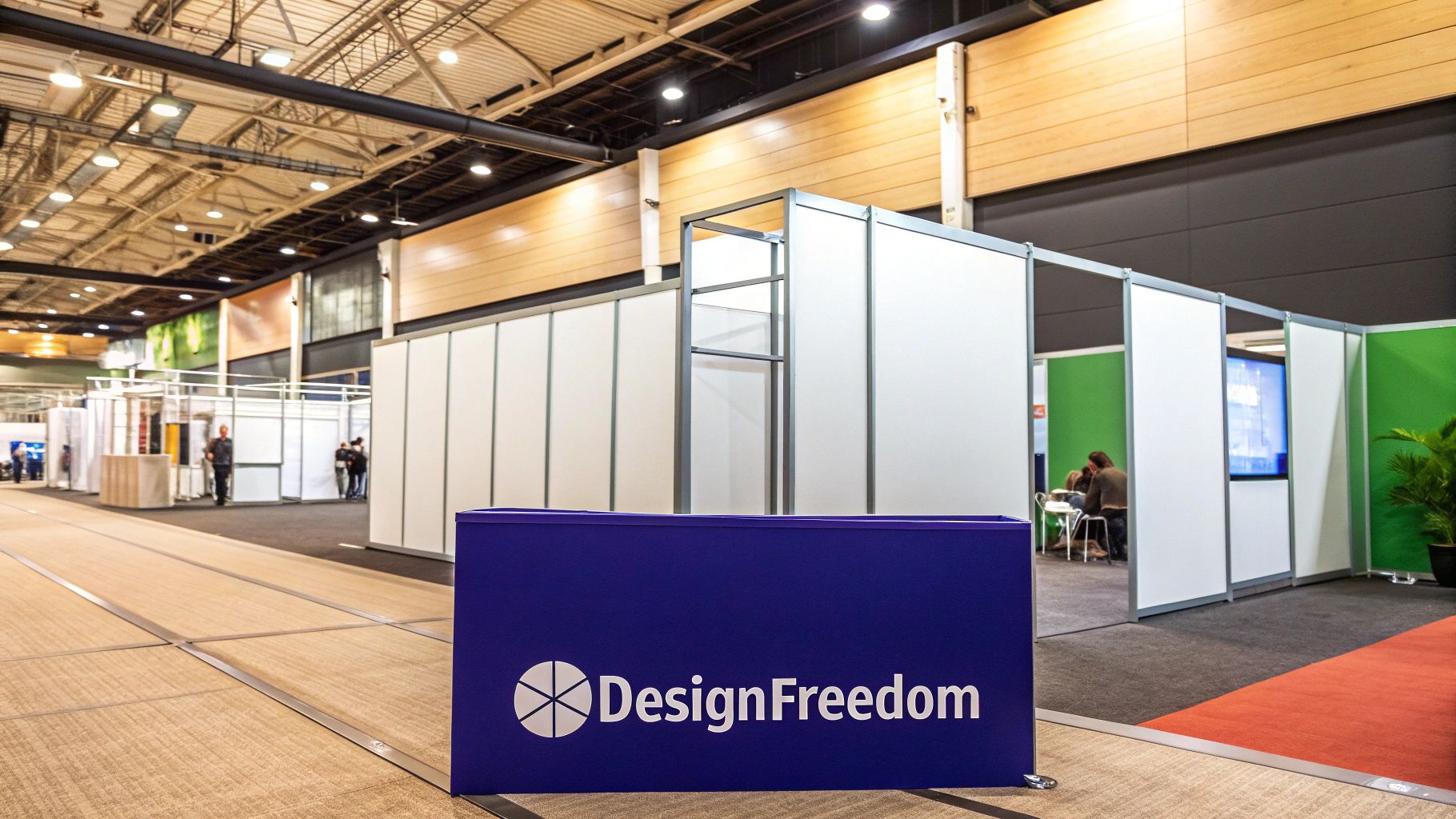
One of the biggest myths I hear in the metal building vs. stick-built debate is that choosing steel means you have to give up on design. The truth is, modern steel structures offer a shocking amount of aesthetic freedom, and they're seriously challenging wood's long-held reign over architectural style. While stick-built construction has a deep history of classic, intricate designs, metal buildings have come a long way from being simple, boxy warehouses.
The secret to this flexibility is steel's raw structural power. Its biggest trump card is the ability to create massive clear-span interiors. Because a steel frame can handle huge roof loads without needing a forest of interior columns, it opens up design possibilities that are either a huge headache or flat-out impossible with wood. For anyone needing wide-open, unobstructed floor space, this feature is a total game-changer.
Unlocking Interior Potential
Just try to imagine designing a commercial gym, an indoor horse arena, or a big community center with load-bearing walls chopping up the flow. With a stick-built design, trying to span those large distances means bringing in expensive laminated beams or complicated truss systems, which can eat into your ceiling height and limit your creative freedom.
Steel framing just erases those barriers. A clear-span design gives you a completely open canvas, so you have total freedom to lay out interior walls, position machinery, or set up activity zones however you want. This isn't just about function; it's a design benefit. For a business that might need to reconfigure its space down the road, a metal building has an adaptability that a stick-built structure with fixed load-bearing walls just can't touch.
Redefining the Exterior Look
The old idea that metal buildings are stuck with a stark, industrial look is completely outdated. Today, the exterior finish options are practically endless, allowing a steel structure to blend into any setting, whether it’s a quiet suburban neighborhood or a high-end commercial park.
These versatile finishes let architects and owners nail just about any look they're going for:
- Veneers: You can apply brick, stone, and stucco directly to the exterior, making a steel building look identical to a traditional one.
- Insulated Metal Panels (IMPs): These provide a sleek, modern aesthetic with top-notch insulation and are available in a huge variety of colors and textures.
- Wainscoting and Accents: Combining materials, like a stone wainscot on the lower portion with metal paneling above, adds a ton of visual interest and character.
What you get is a building with the rock-solid integrity of steel but with the kind of aesthetic charm once reserved only for stick-built projects. You can check out a gallery of different styles by looking at these examples of custom steel buildings.
The design conversation is no longer about if a metal building can look good, but how you want it to look. The combination of clear-span interiors and diverse facade options gives steel a powerful one-two punch in both function and form.
Where Stick-Built Still Excels
Even with steel's incredible versatility, stick-built construction definitely holds its own in certain areas, especially when it comes to highly detailed, multi-story residential homes. Most builders are deeply familiar with wood framing, which makes executing intricate rooflines, dormers, and complex architectural details more straightforward to pull off on-site with lumber.
In the end, the right choice boils down to your project's main design goal. If your vision demands soaring, open-concept interiors and a clean, low-maintenance exterior, a metal building offers advantages that are hard to beat. But if your project is all about traditional residential looks with complex, handcrafted details, stick-built remains a strong and familiar contender.
Matching the Right Building to Your Project
So, after weighing the costs, timelines, and durability, how do you actually decide? It’s not just a technical choice—it’s about matching the building method to your project's end goals. The right answer becomes obvious when you focus on function, your long-term vision, and day-to-day operational needs.
For certain projects, the advantages of pre-engineered steel are so overwhelming that it’s simply the default choice. These are the jobs where efficiency, massive interior space, and getting operational fast are the metrics that matter most.
When Metal Buildings Are the Clear Winner
Steel’s natural strengths make it the undisputed champ for large-scale, functional structures. The ability to create huge, column-free interiors is something stick-built construction just can't replicate without getting into wildly expensive and complex engineering.
Think about these common scenarios where metal buildings just make sense:
- Agricultural Operations: You need to store massive combines, stack hay bales to the ceiling, or house livestock. Clear-span designs give you unmatched maneuverability and space. Plus, the quick build time means your new facility is ready before a critical season like planting or harvest hits.
- Manufacturing and Warehousing: These industries live and die by their floor space. Unobstructed room for production lines, pallet racking, and forklift traffic is non-negotiable. A steel building is basically a blank canvas for the most efficient layout you can design.
- Commercial Centers and Retail: Big-box retail stores or recreational facilities like indoor sports complexes thrive on the open, adaptable space that steel frames provide. It allows them to easily reconfigure layouts as business needs evolve.
For a deeper dive into all the possibilities, our guide on the types of steel buildings really shows off the incredible versatility of modern steel construction.
Where Stick-Built Construction Still Reigns
On the flip side, stick-built construction holds its ground in applications where tradition, intricate architectural details, and contractor familiarity are the main drivers. This is most obvious in the custom residential market, where the unique character and look of a home are everything.
The decision often comes down to one question: Is the building a functional asset designed for operational output, or is it a personal space defined by custom aesthetics and traditional craftsmanship?
Wood framing is still the go-to for these projects:
- Custom Single-Family Homes: When homeowners want complex rooflines, dormers, and specific architectural details, the on-site flexibility of wood framing is usually a better fit for hitting that highly personalized look.
- Small-Scale Residential Projects: Things like additions, detached garages, or small guesthouses where a conventional look is the goal often fall into the stick-built camp. It's what local contractors know best, and the materials are everywhere.
The residential world is still overwhelmingly traditional. In fact, stick-built construction accounts for about 97% of new single-family homes in the United States. Factory-built options, including modular and prefab metal homes, only make up about 3% of the market, according to the National Association of Realtors. You can see more insights on modular and stick-built market shares on NAR.realtor.
This data shows that while metal is a powerhouse in the commercial and industrial worlds, wood framing remains the standard for the classic American home. By matching the building method to your project’s core purpose, you ensure your investment delivers exactly what you need it to for decades to come.
Got Questions? We’ve Got Answers.
Even after laying it all out, you probably still have a few specific questions. That’s normal. When you’re making a big decision like choosing between a metal building and a stick-built structure, the details matter. Let’s tackle some of the most common questions we hear.
Can Metal Buildings Be Properly Insulated?
Absolutely. There's a common myth that steel buildings are like tin cans—hot in the summer and cold in the winter. That couldn't be further from the truth. Modern metal buildings are engineered to accommodate incredibly effective insulation systems that often outperform traditional wood-frame construction.
Here’s how it’s done:
- Fiberglass Batts: Just like in a conventional home, these are fitted neatly between the wall girts and roof purlins.
- Spray Foam Insulation: This is a game-changer for energy efficiency. It expands to seal every nook and cranny, creating an airtight barrier that stops thermal bridging in its tracks.
- Insulated Metal Panels (IMPs): For a premium, all-in-one solution, IMPs are fantastic. They consist of an insulating foam core pressed between two steel skins, delivering a high R-value and a clean, finished look from day one.
With a smart insulation strategy, a metal building is just as comfortable and energy-efficient as any stick-built alternative, keeping your utility bills low.
The secret to an energy-efficient metal building isn't about the steel—it's about the quality of the insulation system and creating a perfect air seal. Get that right, and you'll have a structure that’s both comfortable and affordable to run.
Is It Harder to Get Financing for Metal Buildings?
Generally, no. Getting a loan for a metal building isn't much different than for a stick-built one, though the paperwork might look a little different. What lenders really care about is the building's long-term value, its durability, and whether it meets local codes. Since pre-engineered metal buildings are permanent structures built to last for decades, most banks see them as a solid, secure investment.
If you're building a commercial warehouse or a retail shop, lenders are completely familiar with steel construction. For a residential project like a "barndominium," it helps to find a lender who has experience with non-traditional homes. They'll understand the appraisal and construction process better, making things much smoother for you.
What Is the Permitting Process Like?
This is one area where metal buildings often have a clear advantage. The permitting process for a pre-engineered metal building is typically more straightforward than for a stick-built project.
Why? Because the manufacturer provides you with a full set of stamped, engineered blueprints from the start. These plans have already been designed to meet your local building codes for wind, snow, and seismic activity.
When you hand that packet to the local building authority, you're giving them a pre-verified engineering package. There's less guesswork for them, which often translates to faster approvals compared to stick-built plans that have to be reviewed from the ground up.
Ready to explore a building solution that combines speed, durability, and design flexibility? Icon Steel Buildings provides top-quality, American-made steel structures designed to meet your exact needs. Get a free quote today!