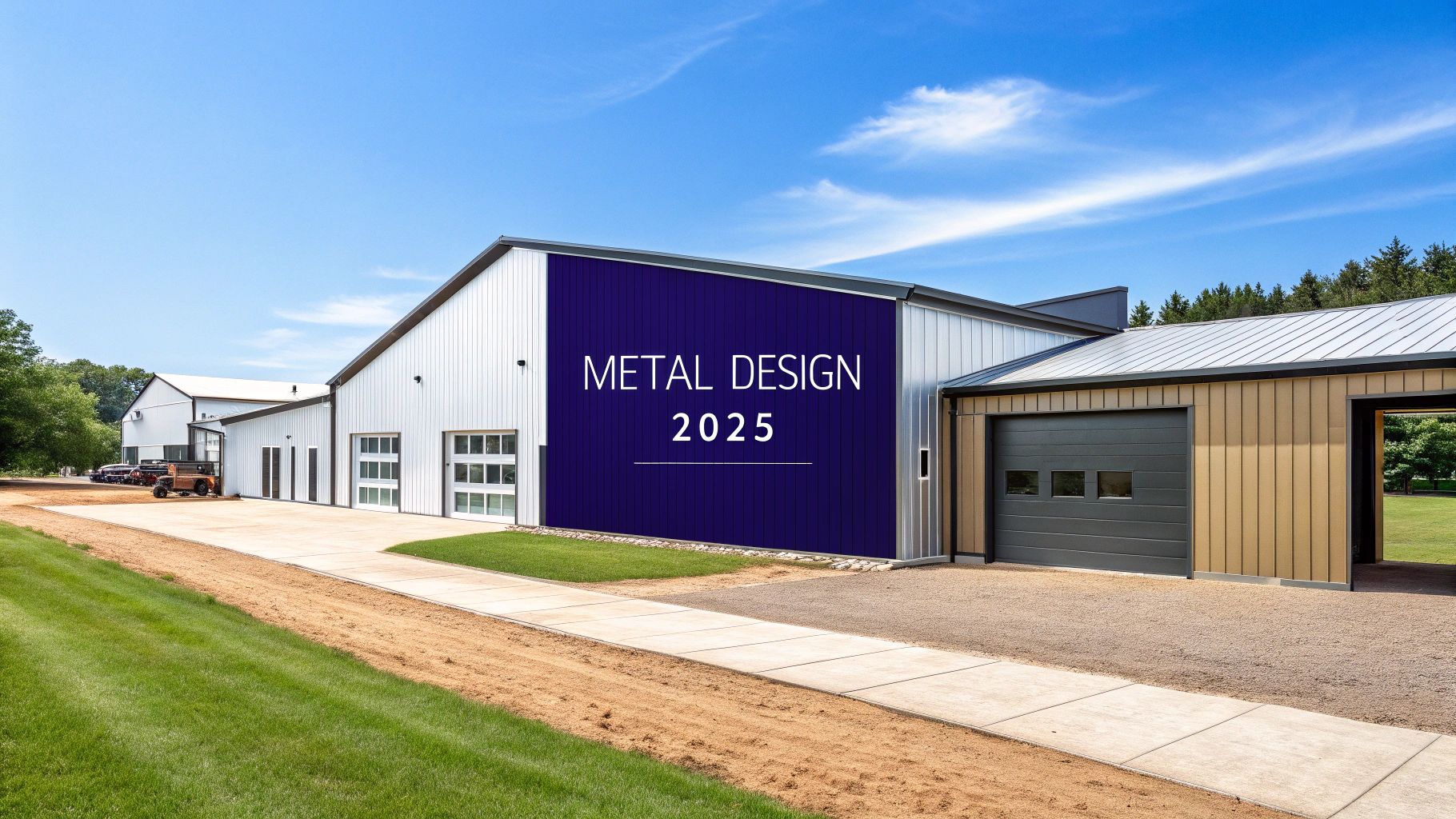
Gone are the days when metal buildings were confined to simple storage sheds and utilitarian warehouses. Today, steel is at the forefront of architectural innovation, offering unparalleled strength, flexibility, and a surprisingly sophisticated aesthetic. From chic 'barndominiums' that blend rustic charm with modern living to sleek commercial facades clad in weathering steel, the possibilities for creative expression are limitless. This comprehensive guide moves beyond basic concepts to deliver actionable and inspiring metal building design ideas that redefine what's possible with steel construction.
This roundup dives into 10 groundbreaking concepts that showcase the material's incredible versatility across residential, commercial, and agricultural applications. We will explore specific strategies, practical implementation details, and real-world examples to inspire your next project. By integrating steel with other materials and embracing modern architectural principles, you can create a structure that is both highly functional and visually stunning. To stay ahead of the curve, it is also beneficial to explore the latest home design trends to see how materials like steel are shaping contemporary aesthetics.
Whether you are planning a modern farmhouse, a minimalist commercial space, a high-tech agricultural facility, or a unique recreational building, these ideas provide a clear roadmap. You will learn how to leverage steel's inherent strengths to achieve a distinct look, from the raw, industrial appeal of Corten to the polished elegance of blackened steel interiors. Prepare to see metal not just as a structural component, but as a primary element for sophisticated and durable design.
1. Modern Industrial Barndominium
The modern industrial barndominium is a hybrid design that masterfully blends the agricultural utility of a barn with the comfort and style of a contemporary home. This innovative approach to metal building design ideas leverages a steel-frame structure to create expansive, open-concept living spaces characterized by high ceilings, exposed steel beams, and vast window arrays. It’s a design that celebrates the raw, industrial nature of metal while providing a functional and inviting residential atmosphere.
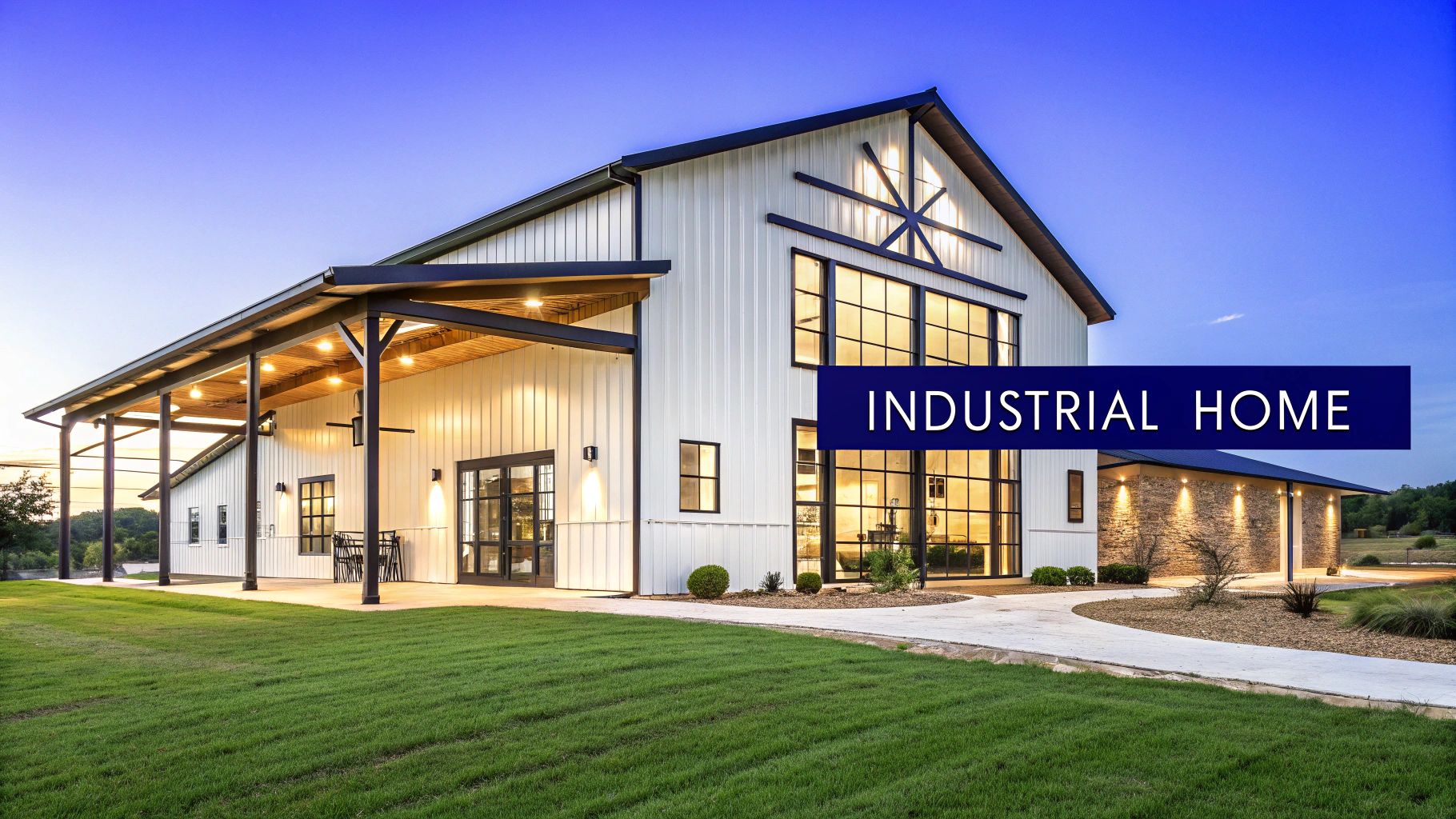
This style has gained immense popularity, moving from a niche concept to a mainstream housing trend thanks to pioneers like Mueller Inc. in Texas and influencers such as the Justice Brothers on YouTube. The appeal lies in its cost-effectiveness, durability, and immense customization potential compared to traditional stick-built homes.
Why Choose This Design?
A barndominium is ideal for those who desire a large, open floor plan without the interruption of load-bearing walls. This makes it perfect for combining living quarters with a workshop, garage, or even an airplane hangar. The inherent strength of steel construction also offers superior resistance to fire, pests, and extreme weather, ensuring a long-lasting and low-maintenance home.
Actionable Implementation Tips
To successfully execute a modern industrial barndominium, focus on these key details:
- Soften with Natural Materials: Balance the cool, industrial feel of steel with warm elements. Incorporate reclaimed wood accents, stone fireplaces, and leather furniture to create a cozy, inviting interior.
- Prioritize Insulation: Open spaces with high ceilings can be challenging to heat and cool. Invest in high-R-value spray foam insulation (R-30 or higher) for the walls and roof to ensure energy efficiency and prevent condensation.
- Plan Utilities Early: Map out your electrical and plumbing layouts before the concrete slab is poured and the frame is erected. Retrofitting these systems into a steel structure is significantly more complex and expensive. Using high-quality American steel can simplify the pre-planning process. You can learn more about the importance of US-made steel for your barndominium on iconsteelbuildings.com.
- Install Radiant Floor Heating: For efficient and even temperature control across a large, open floor, radiant heating installed within the concrete slab is an excellent choice.
2. Corrugated Metal Accent Walls
Corrugated metal accent walls offer a striking design element, bringing an industrial-modern aesthetic to both interior and exterior spaces. This approach utilizes the distinct, wavy profile of corrugated steel panels to add texture, visual depth, and a raw, industrial character. It’s a versatile technique that works just as well in a contemporary home as it does in a trendy commercial establishment, providing a cost-effective way to achieve a sophisticated, high-end look.
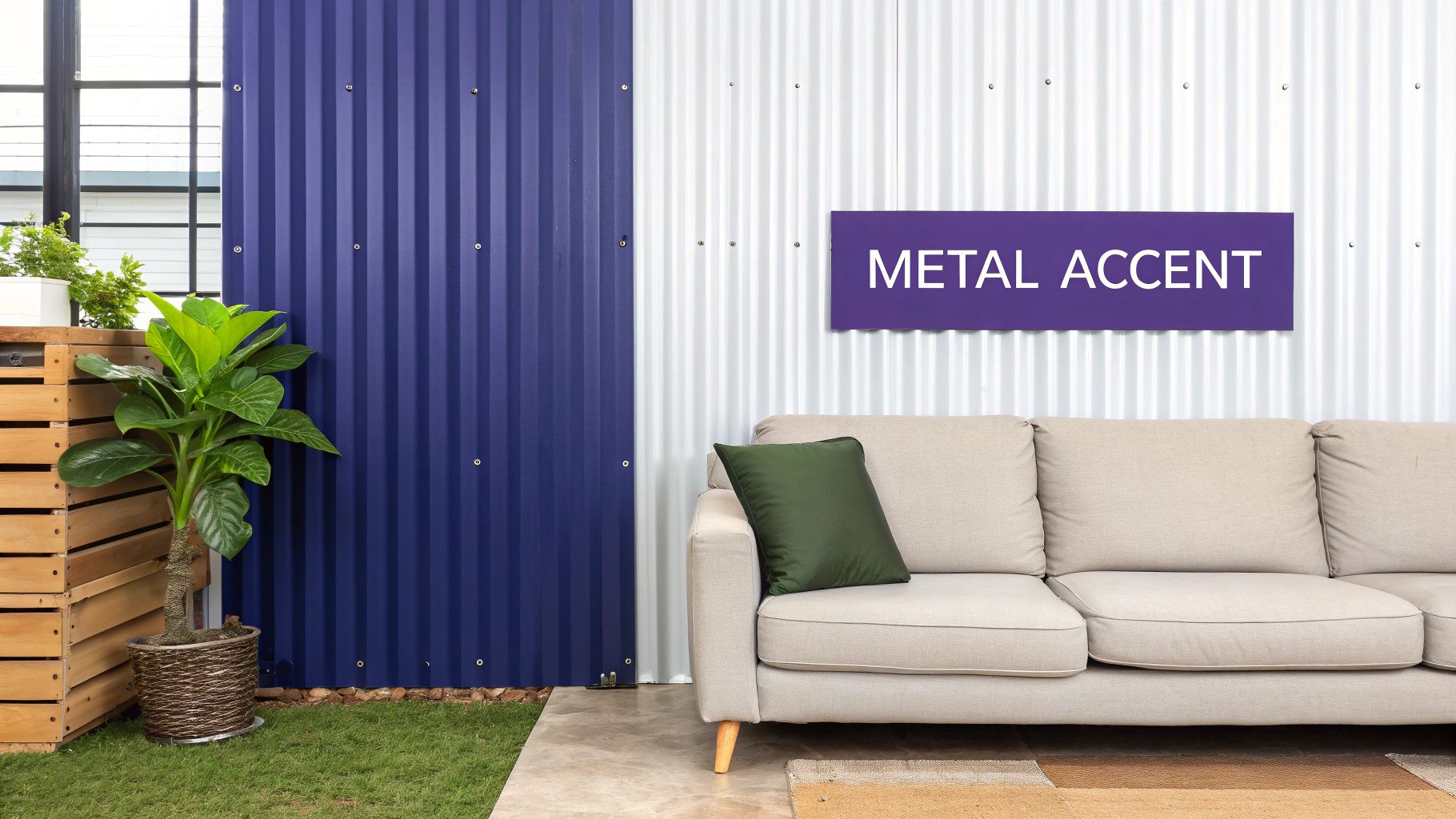
This design trend was popularized by designers like Joanna Gaines, who frequently incorporated it into her Magnolia Market projects, and firms like Studio McGee. The style is now prevalent in modern coffee shops, breweries, and urban farmhouse restaurants, showcasing how a simple, utilitarian material can be elevated into a celebrated architectural feature.
Why Choose This Design?
Using corrugated metal as an accent is a fantastic way to introduce a unique textural element that contrasts beautifully with smoother surfaces like drywall or wood. It is durable, easy to clean, and relatively inexpensive compared to other feature wall materials like tile or stone. This metal building design idea is perfect for creating a focal point in a living room, a backsplash in a kitchen, or a weather-resistant, visually interesting exterior facade.
Actionable Implementation Tips
To effectively integrate corrugated metal accent walls, consider these professional pointers:
- Balance with Warm Tones: Prevent the space from feeling too cold or sterile by pairing the metal with warm materials. Rich woods, soft textiles, and leather furniture can create an inviting contrast.
- Add Plywood Backing: To reduce potential rattling and improve sound dampening, install a layer of 1/2-inch plywood behind the metal panels, especially for interior applications.
- Consider Pre-Rusted Panels: For a rustic, weathered look without the mess of active rust, use pre-rusted Corten steel panels. They provide an aged patina that is stable and won't stain surrounding surfaces.
- Use Proper Trim: Finish the edges with J-channel or corner trim pieces. This not only creates a clean, professional look but also covers sharp metal edges for safety.
- Orient Panels Strategically: Install panels horizontally to make a room feel wider or vertically to emphasize ceiling height.
3. Glass and Steel Modern Box Architecture
Glass and steel modern box architecture is a minimalist design style that champions geometric purity and transparency. This approach uses a strong steel framework to support vast expanses of glass, effectively blurring the line between indoor and outdoor environments. The design philosophy emphasizes clean lines, open spaces, and an abundance of natural light, creating a structure that feels both expansive and intimately connected to its surroundings.
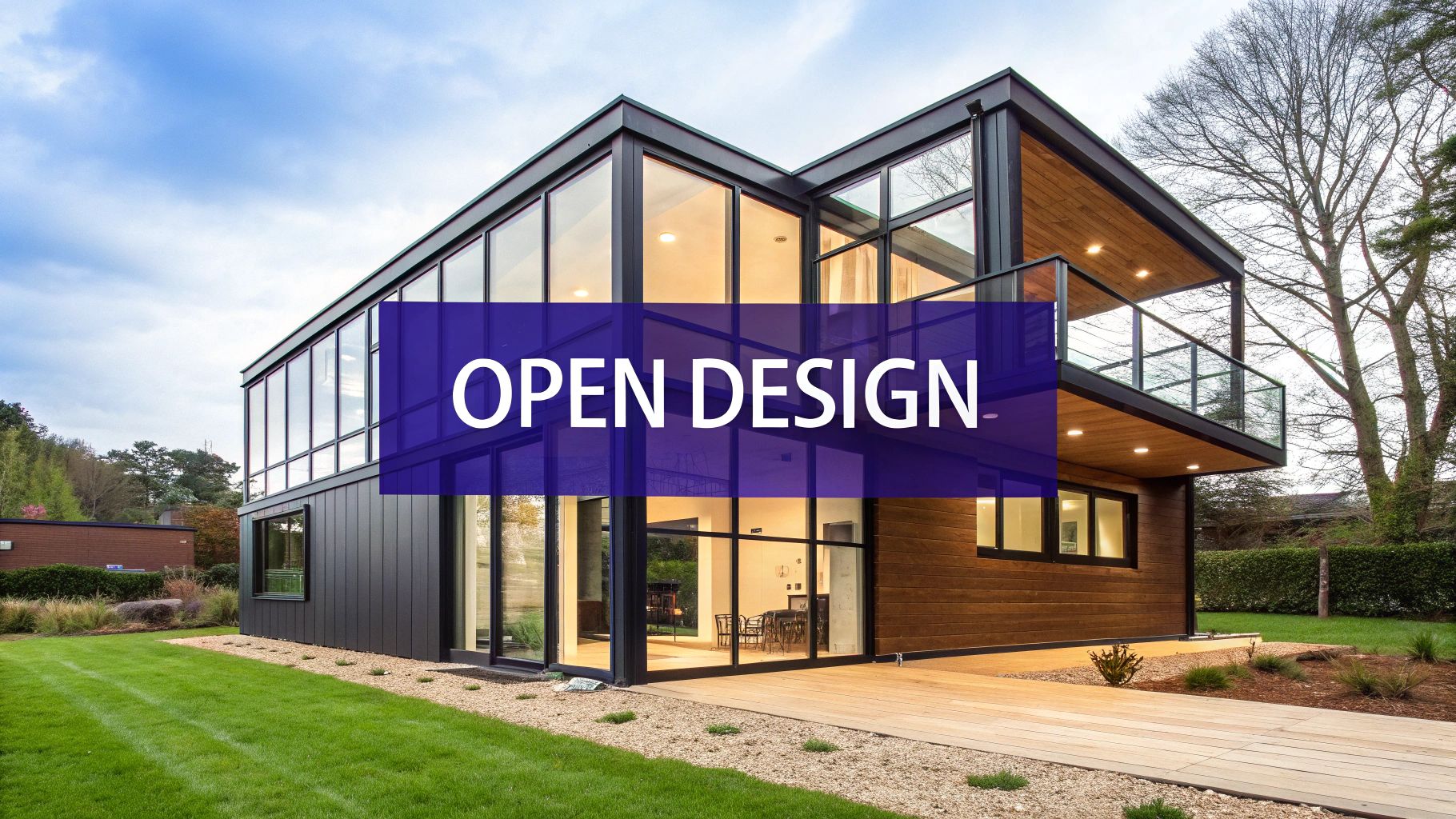
This architectural movement was pioneered by modernist masters like Ludwig Mies van der Rohe with his iconic Farnsworth House and Philip Johnson with his Glass House. Its enduring appeal is evident in contemporary residences, like those designed by Marmol Radziner, and sleek urban office buildings. The structural integrity of steel is the key, allowing for dramatic cantilevers and floor-to-ceiling windows without cumbersome support columns.
Why Choose This Design?
This design is perfect for those who want to maximize views and natural light, making it an exceptional choice for properties with scenic landscapes like coastlines, forests, or mountains. The minimalist aesthetic appeals to a modern sensibility, offering a clean, uncluttered living or working space. Its use of prefabricated steel components can also streamline construction, while the open-concept nature provides ultimate flexibility for interior layouts.
Actionable Implementation Tips
To successfully bring a glass and steel design to life, concentrate on these technical details:
- Specify High-Performance Glass: Use Low-E (low-emissivity) coated glass with a high Visible Transmittance (VT) to let light in and a low Solar Heat Gain Coefficient (SHGC) to block unwanted heat. This is critical for energy efficiency.
- Integrate Automated Shading: Install motorized blinds or exterior louvers to manage solar gain and provide privacy. Integrating these into a smart home system allows for automated adjustments based on the time of day or sun's position.
- Plan for Privacy Strategically: While transparency is the goal, privacy is essential. Use frosted, etched, or patterned glass in sensitive areas like bathrooms and bedrooms. You can also use solid wall sections, built with Structural Insulated Panels (SIPs), to create private zones without compromising the overall aesthetic.
- Detail Roof Drainage Carefully: Flat or low-slope roofs common in this style require meticulous planning for drainage. Ensure proper slopes, scuppers, and high-quality waterproof membranes are specified to prevent leaks and pooling water.
4. Weathering Steel (Corten) Facades
Weathering steel, famously known by its trademark name Corten, is a steel alloy designed to develop a stable, rust-like patina when exposed to the elements. This protective layer eliminates the need for paint and creates a deep, orange-brown aesthetic that evolves over time. This approach to metal building design ideas offers a bold, industrial character that paradoxically softens and integrates into natural landscapes, making it a favorite in contemporary architecture.
Pioneered for architectural use by visionaries like Eero Saarinen and popularized in large-scale projects such as the Barclays Center in Brooklyn, Corten provides a living finish. Its unique texture and color have made it a signature material for architects seeking a low-maintenance facade with dynamic visual appeal, from commercial buildings to modern residences in the Pacific Northwest and Australia.
Why Choose This Design?
A weathering steel facade is ideal for projects that demand a striking, durable, and maintenance-free exterior. The self-protecting patina not only provides exceptional corrosion resistance but also creates a unique aesthetic that changes with light and weather, adding depth and character. This makes it perfect for structures intended to make an architectural statement while blending harmoniously with their environment, be it urban or rural.
Actionable Implementation Tips
To successfully incorporate a Corten facade, careful planning and detailing are essential:
- Manage Runoff: The initial weathering process produces rust-colored runoff that can stain adjacent surfaces like concrete or stone. Install carefully designed guttering, drip edges, and drainage systems to direct this water away from vulnerable materials.
- Ensure Proper Ventilation: Allow for an air gap behind the steel panels to promote even drying and consistent patina formation. Trapped moisture can lead to uneven coloring and potentially accelerated corrosion in certain spots.
- Isolate from Ground Contact: Use isolation details, such as a concrete or masonry plinth, to prevent the base of the Corten panels from being in constant contact with ground moisture, which can disrupt the protective patina process.
- Consider Pre-Weathering: To minimize on-site staining and achieve a more uniform initial appearance, have the panels pre-weathered in a controlled environment before installation. This accelerates the patina development under consistent conditions.
5. Prefab Metal Frame Modular Homes
Prefabricated metal frame modular homes represent a cutting-edge fusion of factory precision and on-site assembly. This metal building design idea uses steel frames manufactured in controlled environments, which are then transported as complete modules and pieced together on the prepared foundation. This method combines the inherent durability and design flexibility of steel with the speed and quality control of modern manufacturing.
This construction style has been advanced by innovators like Blu Homes and Connect Homes, who showcase how steel-framed modules can create stunning, high-end residences. The process dramatically reduces construction timelines, minimizes on-site waste, and ensures a higher degree of build consistency compared to traditional site-built homes.
Why Choose This Design?
This approach is perfect for those who prioritize efficiency, quality control, and a predictable construction schedule. Because the modules are built indoors, weather delays are virtually eliminated. The precision of factory fabrication ensures tight tolerances and superior structural integrity. It is an excellent choice for modern, architecturally distinct homes where a swift move-in date is a key consideration.
Actionable Implementation Tips
To ensure a smooth prefab modular home project, focus on these critical planning stages:
- Prepare the Site in Advance: Your foundation, utility connections (water, sewer, electric), and site grading must be fully completed and inspected before the modules are scheduled for delivery. Any delay here will disrupt the entire timeline.
- Secure Specialized Financing: Many traditional lenders are unfamiliar with modular construction loans. Work with a lender or mortgage broker who has specific experience financing prefab projects to avoid closing delays.
- Verify Manufacturer Certifications: Ensure the manufacturer has the necessary certifications for your region, such as ICC (International Code Council) approval or specific state-level endorsements. This is crucial for passing local building inspections.
- Plan for Delivery Logistics: Meticulously plan the delivery route, ensuring roads can accommodate large trucks and that there is clear, unobstructed access for a crane to lift and place the modules onto the foundation.
- Budget for Site-Specific Costs: The manufacturer's price typically covers the modules themselves. You must budget separately for the foundation, crane rental, utility hookups, and any on-site finish work (seam finishing, deck construction, etc.). You can learn more about the core components of a metal building frame from iconsteelbuildings.com.
6. Mixed Material Contemporary (Steel, Wood, and Concrete)
The mixed material contemporary approach is a sophisticated design that combines the structural integrity of steel with the organic warmth of wood and the raw, modern mass of concrete. This method leverages the distinct properties of each material to create buildings that are visually rich and texturally diverse. Steel framing provides the strength for long spans and open-concept layouts, while wood introduces natural character and concrete offers a grounded, industrial-chic foundation.
This architectural style has been championed by renowned firms like Olson Kundig Architects and Rick Joy Architects, who masterfully balance industrial and natural elements. It's often seen in high-end custom homes, modern wineries, and boutique commercial spaces where the building itself is a statement piece. The interplay of these materials results in a dynamic, high-end aesthetic that feels both powerful and inviting, making it one of the most aspirational metal building design ideas.
Why Choose This Design?
This design is perfect for those who want a modern, bespoke look that avoids the monolithic appearance of a single-material structure. The combination allows for a high degree of architectural expression, balancing the cold efficiency of steel with warmer, more tactile surfaces. It’s an excellent choice for projects on scenic lots, like mountainsides or coastlines, where the building can harmonize with its natural surroundings. The use of steel as the primary structure also makes it a strong candidate for complex or unique metal buildings for residential use.
Actionable Implementation Tips
To achieve a cohesive mixed-material contemporary design, focus on these critical details:
- Create Deliberate Transitions: Plan where materials meet to create intentional, clean lines. For example, use a sleek steel channel to frame the edge where wood siding meets a concrete wall.
- Balance Proportions: Ensure no single material overwhelms the others. Use steel as the structural "skeleton," concrete for foundational elements or feature walls, and wood for siding, soffits, and interior accents to create visual harmony.
- Detail Material Junctions: Pay close attention to how different materials connect to prevent moisture intrusion. Proper flashing, sealants, and expansion joints are crucial where steel, wood, and concrete intersect.
- Harmonize Color Tones: Select wood stains, concrete finishes, and steel coatings that share a similar color family or undertone. A dark-stained cedar, charcoal-colored steel, and natural grey concrete will feel more unified than materials with clashing hues.
7. Industrial Conversion and Adaptive Reuse
Industrial conversion and adaptive reuse is a sustainable and character-rich design approach that breathes new life into old metal buildings. This strategy transforms existing structures like warehouses, factories, or airplane hangars into modern residential, commercial, or mixed-use spaces. Instead of demolishing, this design celebrates the building's history, preserving original steel structures, exposed ductwork, and authentic industrial features as core aesthetic elements.
This approach is one of the most compelling metal building design ideas for urban revitalization, seen in projects like the loft conversions in Los Angeles' Arts District and the transformation of warehouses in Boston's Seaport District. It honors the past while creating highly functional, modern environments. Architects like Annabelle Selldorf and developers such as Jamestown have popularized this method, showcasing its potential to create unique and valuable properties.
Why Choose This Design?
This design is perfect for those who value authenticity, history, and sustainability. It offers a unique opportunity to create spaces with unparalleled character, featuring soaring ceilings, expansive floor plans, and a built-in industrial aesthetic that new construction struggles to replicate. By reusing an existing structure, you reduce construction waste and preserve a piece of local history, often in a prime urban location.
Actionable Implementation Tips
To successfully execute an industrial conversion project, careful planning is essential:
- Engage Experts Early: Hire a structural engineer to assess the integrity of the existing steel frame and an architect experienced in adaptive reuse. Their expertise is crucial for navigating code compliance and maximizing the building's potential.
- Prioritize Environmental Assessment: Before purchasing, conduct a Phase I and II Environmental Site Assessment to identify and plan for the remediation of any potential contaminants, a common issue in former industrial sites.
- Celebrate Original Features: Design around the building’s inherent character. Rather than covering up old brick, exposed I-beams, or concrete floors, restore and feature them. Integrate modern systems like HVAC and electrical discretely so they don't clash with the historic elements.
- Plan for Modern Upgrades: Budget for significant upgrades to meet current building codes, which may include new sprinkler systems, improved egress, and accessibility features. These are critical for ensuring safety and legal compliance. You can explore how new components integrate with older structures by learning more about custom steel buildings on iconsteelbuildings.com.
8. Metal Panel Vertical Gardens and Living Walls
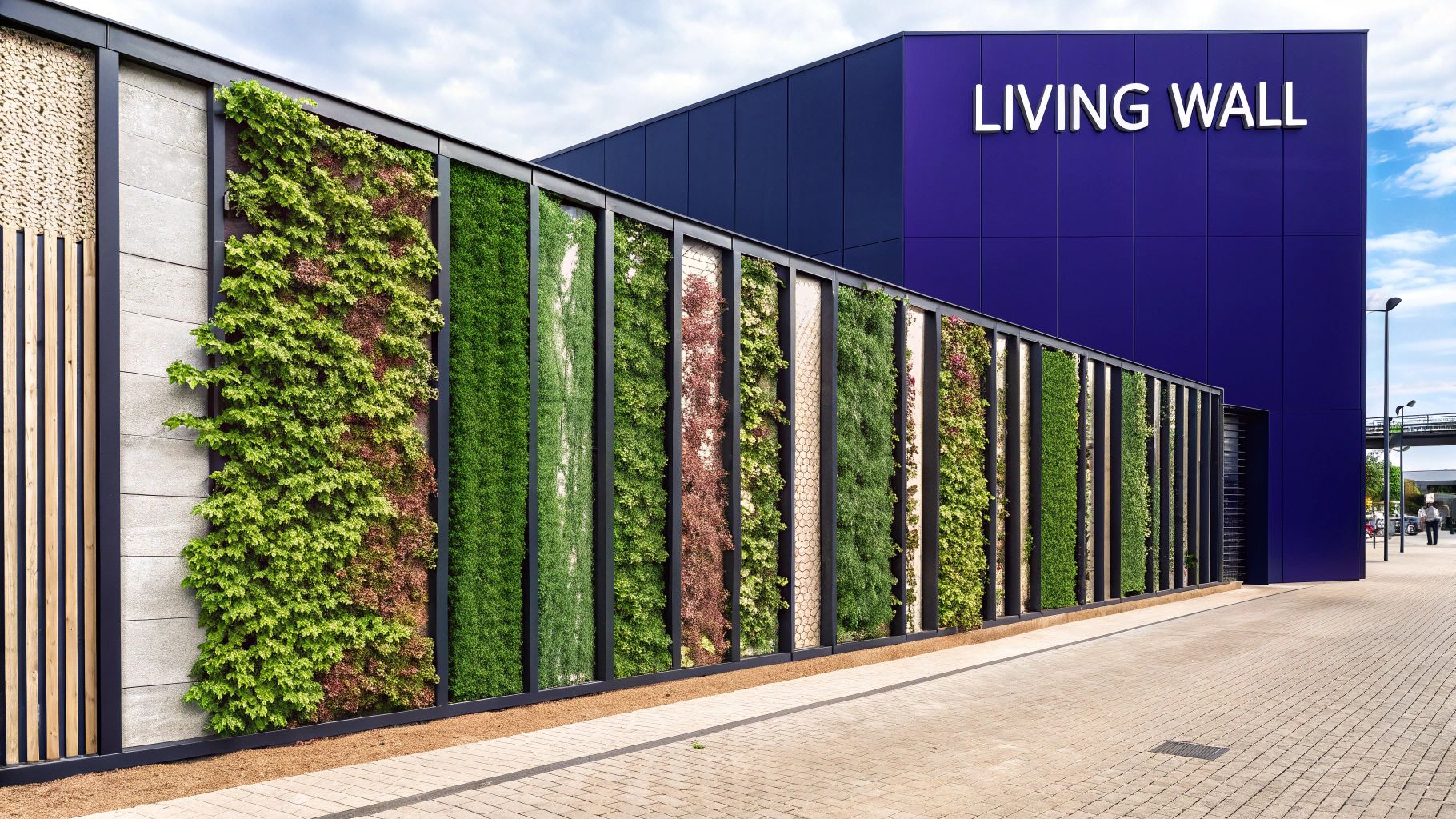
This innovative design idea merges the industrial resilience of metal with the organic beauty of nature by creating living green walls on a building's exterior or interior. Metal support systems, such as perforated panels or steel wire mesh, serve as the structural backbone for vegetation. This approach transforms a standard metal building into a vibrant, living piece of architecture, offering both striking aesthetics and significant environmental benefits.
This concept was largely pioneered by French botanist Patrick Blanc and has been popularized globally by firms like Habitat Horticulture and system providers such as Sempergreen. Iconic examples like the CaixaForum Museum in Madrid and the residential Bosco Verticale towers in Milan showcase how living walls can redefine urban architecture, turning stark facades into lush, thriving ecosystems.
Why Choose This Design?
A living wall is an excellent choice for projects aiming to make a strong environmental statement and improve local air quality. It’s particularly effective in dense urban settings where it helps reduce the heat island effect, provides natural insulation, and offers biophilic benefits to occupants. This design is perfect for commercial buildings, public institutions, or residential projects wanting to blend in with nature or stand out with a unique, sustainable feature.
Actionable Implementation Tips
To successfully create a vertical garden on a metal building, careful planning is essential:
- Install a Waterproof Barrier: Protect the building's primary structure by installing a high-quality, continuous waterproof membrane between the metal wall and the green wall system.
- Choose Appropriate Plants: Select native or regionally adapted plant species that can thrive in the local climate with minimal maintenance. Consider how the wall's appearance will change with the seasons.
- Plan for Maintenance Access: Design the system with future upkeep in mind. Ensure there is a safe and practical way for personnel to access all parts of the wall for plant care, replacement, and system checks.
- Automate Irrigation: Implement a smart, automated drip irrigation system with timers and rain sensors. This ensures plants receive consistent moisture without overwatering and minimizes water waste.
- Provide Adequate Drainage: A robust drainage system at the base of the wall is critical to prevent water from pooling, which can damage both the plants and the building foundation.
9. Clear-Span Metal Agricultural Buildings with Modern Amenities
The clear-span metal building represents the pinnacle of spatial efficiency, offering vast, unobstructed interiors by eliminating the need for interior support columns. This design uses powerful steel trusses or rigid frames to support the entire roof structure, creating completely open floor plans that can span up to 200 feet or more. While rooted in agricultural applications for equipment storage and livestock, this concept is now a popular choice for metal building design ideas that merge utility with modern amenities.
This design’s evolution from simple farm structures to versatile, multi-use facilities has been driven by companies like Morton Buildings and FBi Buildings, who have perfected the engineering for residential, commercial, and recreational use. The result is a structure that provides maximum layout flexibility, from open-concept event venues in rural Texas to expansive CrossFit gyms and manufacturing floors requiring unrestricted movement.
Why Choose This Design?
A clear-span building is the ultimate solution for anyone needing maximum interior space without limitations. It is perfectly suited for applications like private aircraft hangars, large-scale workshops, or event centers where support posts would hinder functionality. The design’s inherent structural strength and quick construction timeline offer a cost-effective alternative to traditional construction methods for achieving such expansive, open areas.
Actionable Implementation Tips
To successfully adapt a clear-span agricultural building for modern use, consider these critical elements:
- Prioritize Climate Control: Large, open spaces require a robust climate control strategy. Specify a minimum of R-30 insulation in the ceiling and R-21 in the walls for year-round comfort and energy efficiency. You can explore the various steel building insulation options on iconsteelbuildings.com to find the best fit for your climate.
- Plan for Air and Light: Integrate continuous soffit and ridge ventilation to manage moisture and prevent condensation. Maximize natural light and cross-ventilation by incorporating translucent wall panels, skylights, and windows on multiple walls.
- Use Zoned HVAC Systems: Instead of a single, large HVAC unit, install multiple mini-split systems. This allows you to create climate-controlled zones, heating or cooling only the areas you are using, which is far more efficient in a large space.
- Manage Acoustics: The open, hard surfaces of a metal building can create significant echo. Install acoustical wall panels or use spray foam insulation not just for its thermal properties but also for its excellent sound-dampening capabilities.
10. Blackened Steel Interior Design Elements
Blackened steel offers a dramatic and sophisticated approach to interior metal building design ideas, transforming raw steel into a feature with a deep, matte black or dark charcoal appearance. This effect is achieved through heat treatment, chemical patinas, or specialized coatings that create a dark, richly textured finish on steel components. It brings an industrial elegance and contemporary edge to any space, moving beyond structural necessity to become a central design statement.
This trend has been popularized by high-end design firms like Commune Design and Roman and Williams, who use blackened steel to create bold focal points in residential and commercial projects. From staircases and partitions to custom furniture and fireplace surrounds, this technique adds visual depth and a sense of refined industrialism, as seen in boutique hotels and modern homes featured in Architectural Digest.
Why Choose This Design?
This design choice is perfect for creating high-contrast, visually striking interiors. Blackened steel acts as a powerful anchor element, providing a modern counterpoint to softer materials like wood, leather, and stone. Its dark, matte finish is less prone to showing fingerprints and minor wear compared to polished metals, making it a practical yet stylish option for high-touch surfaces like handrails and door handles.
Actionable Implementation Tips
To successfully integrate blackened steel elements into your metal building, consider these details:
- Seal the Finish: Always apply a clear matte polyurethane or wax sealant to the finished steel. This crucial step prevents rust transfer onto clothing or walls and protects the patina from moisture and wear.
- Create High Contrast: Maximize the visual impact by placing blackened steel against light-colored backdrops, such as crisp white walls, pale wood floors, or light-toned concrete. This contrast makes the steel a true focal point.
- Embrace Natural Variation: A key feature of chemical patinas and heat treatments is the subtle, non-uniform finish. No two pieces will be identical. Work with an experienced metal fabricator and request samples to understand the potential range of color and texture.
- Balance with Warmth: To prevent the interior from feeling cold or stark, pair blackened steel with warm materials. Combine it with brass fixtures, rich leather upholstery, or natural wood beams to create a balanced and inviting atmosphere.
Metal Building Design Ideas Comparison
| Item | Implementation Complexity 🔄 | Resource Requirements 💡 | Expected Outcomes 📊 | Ideal Use Cases 💡 | Key Advantages ⭐ |
|---|---|---|---|---|---|
| Modern Industrial Barndominium | Moderate – requires structural steel and insulation planning | Moderate – steel building materials, insulation, finishing | Spacious, durable, cost-effective living with industrial look ⭐ | Rural homes, hobby farms, families needing workshop space | Lower cost, fast build, durable, energy efficient |
| Corrugated Metal Accent Walls | Low – simple installation with basic tools | Low – inexpensive metal panels | Strong visual texture and industrial accents ⚡ | Interior feature walls, kitchen backsplashes, retail stores | Cost-effective, durable, DIY-friendly |
| Glass and Steel Modern Box Architecture | High – specialized steel framing and extensive glazing | High – costly steel, high-performance glass | Light-filled, minimalist, open spaces with modern aesthetics ⭐ | Urban lots, hillside properties, architecturally progressive | Maximizes natural light, timeless design |
| Weathering Steel (Corten) Facades | Moderate – panel installation and detailing required | Moderate – specialized weathering steel panels | Unique evolving rust patina, low maintenance, industrial look 📊 | Contemporary exterior cladding, industrial-style buildings | Maintenance-free, sustainable, visually striking |
| Prefab Metal Frame Modular Homes | Moderate to High – factory construction plus site prep | Moderate – factory materials and site foundation | Rapid, quality-controlled customizable homes ⚡ | Affordable modular housing, rapid construction projects | Fast build, consistent quality, pest and weather resistant |
| Mixed Material Contemporary (Steel, Wood, Concrete) | High – requires coordination of multiple materials and detailing | High – steel, wood, concrete, skilled labor | Sophisticated, warm yet industrial architecture ⭐ | High-end residences, boutique commercial, resorts | Distinctive aesthetics, material balance, customizable |
| Industrial Conversion and Adaptive Reuse | High – complex code, structure, and environmental work | Moderate to High – remediation, upgrades, creative design | Unique industrial character with modern amenities 📊 | Urban lofts, historic buildings, mixed-use developments | Sustainable reuse, distinctive spaces, tax incentives |
| Metal Panel Vertical Gardens and Living Walls | High – integration of metal structures with plant systems | High – irrigation, waterproofing, plants | Biophilic, energy-saving, visually lush façades ⭐ | Urban buildings, commercial, eco-conscious designs | Air quality improvement, heat reduction, green aesthetics |
| Clear-Span Metal Agricultural Buildings with Modern Amenities | Moderate – engineering for large spans, insulation needed | Moderate – steel trusses, insulation | Flexible, open interiors, cost-efficient ⚡ | Workshops, event spaces, aircraft hangars | Column-free space, expandable, durable |
| Blackened Steel Interior Design Elements | Moderate – specialized finishing and fabrication | Moderate to High – custom steel treatment | Dramatic, sophisticated industrial interior details ⭐ | High-end interiors, staircases, partitions, furniture | High-end look, durable finish, hides wear |
Build Your Vision in Steel
The journey through the diverse landscape of metal building design ideas reveals one undeniable truth: steel is far more than just a structural commodity. It is a dynamic and expressive medium capable of shaping our living spaces, workplaces, and recreational havens in ways that are both strikingly beautiful and exceptionally practical. From the sleek, minimalist lines of Glass and Steel Modern Box Architecture to the rustic, evolving patina of a Weathering Steel (Corten) facade, the possibilities are limited only by our imagination. The ideas we've explored prove that metal is not a monolithic material but a versatile toolkit for architectural innovation.
We've seen how a Modern Industrial Barndominium can blend rural charm with contemporary comfort, and how Blackened Steel Interior Design Elements can introduce a sophisticated, dramatic flair to any room. These concepts challenge outdated perceptions of metal buildings as simple, utilitarian sheds. Instead, they position them as smart, sustainable, and stylish solutions for the modern world. The key takeaway is that strategic design choices, like integrating mixed materials or creating living walls on metal panels, elevate a structure from a mere building to a personalized statement.
Translating Inspiration into a Tangible Structure
The true power of these metal building design ideas lies in their adaptability. You are not confined to a single aesthetic. You can borrow elements from different styles to create a truly unique project. Imagine a contemporary home that combines the clean framework of a prefab metal structure with the warmth of wood accents and the raw texture of concrete, or an agricultural facility that uses a clear-span design for maximum interior space while incorporating modern amenities for efficiency and comfort.
To bring these ambitious concepts to life, a solid plan is non-negotiable. This begins long before the first steel panel is erected. It starts with a comprehensive understanding of your site, your functional needs, and your long-term goals. Before you get lost in the exciting world of aesthetics and finishes, it's essential to grasp the foundational principles that ensure your building’s longevity and stability. A deep dive into the crucial role of substructures in building construction will provide invaluable insight into how the unseen elements beneath the surface are what ultimately support your architectural vision. A well-designed substructure is the bedrock upon which all great metal building designs are built.
Your Next Steps: From Blueprint to Reality
Embracing these concepts is the first step; implementing them is the next. As you move forward, consider these actionable steps to guide your project:
- Define Your Purpose: Clearly articulate the primary function of your building. Is it a family home, a commercial workshop, a modern barn, or a storage facility? The answer will heavily influence your design choices.
- Gather Visual Inspiration: Create a mood board or digital folder with images that capture your desired aesthetic. Pull from the ideas in this article, like the use of corrugated metal accents or the industrial-chic appeal of adaptive reuse.
- Consult with Professionals: Engage with architects, designers, and experienced metal building suppliers early in the process. Their expertise can help you refine your ideas, navigate building codes, and ensure your design is both feasible and cost-effective.
Ultimately, the most successful projects are born from a fusion of a clear vision and expert execution. By leveraging the inherent strength, flexibility, and sustainability of steel, you are not just constructing a building; you are making a long-term investment in a durable, low-maintenance, and aesthetically pleasing asset. The designs explored here serve as a launchpad, empowering you to think beyond the conventional and create a structure that perfectly aligns with your needs and aspirations. The future of building is strong, stylish, and forged in steel.
Ready to transform your innovative metal building design ideas into a physical reality? The team at Icon Steel Buildings specializes in custom steel structures, offering the engineering expertise and high-quality materials needed to bring your unique vision to life. Visit Icon Steel Buildings to explore their portfolio and start the conversation about your next project today.