
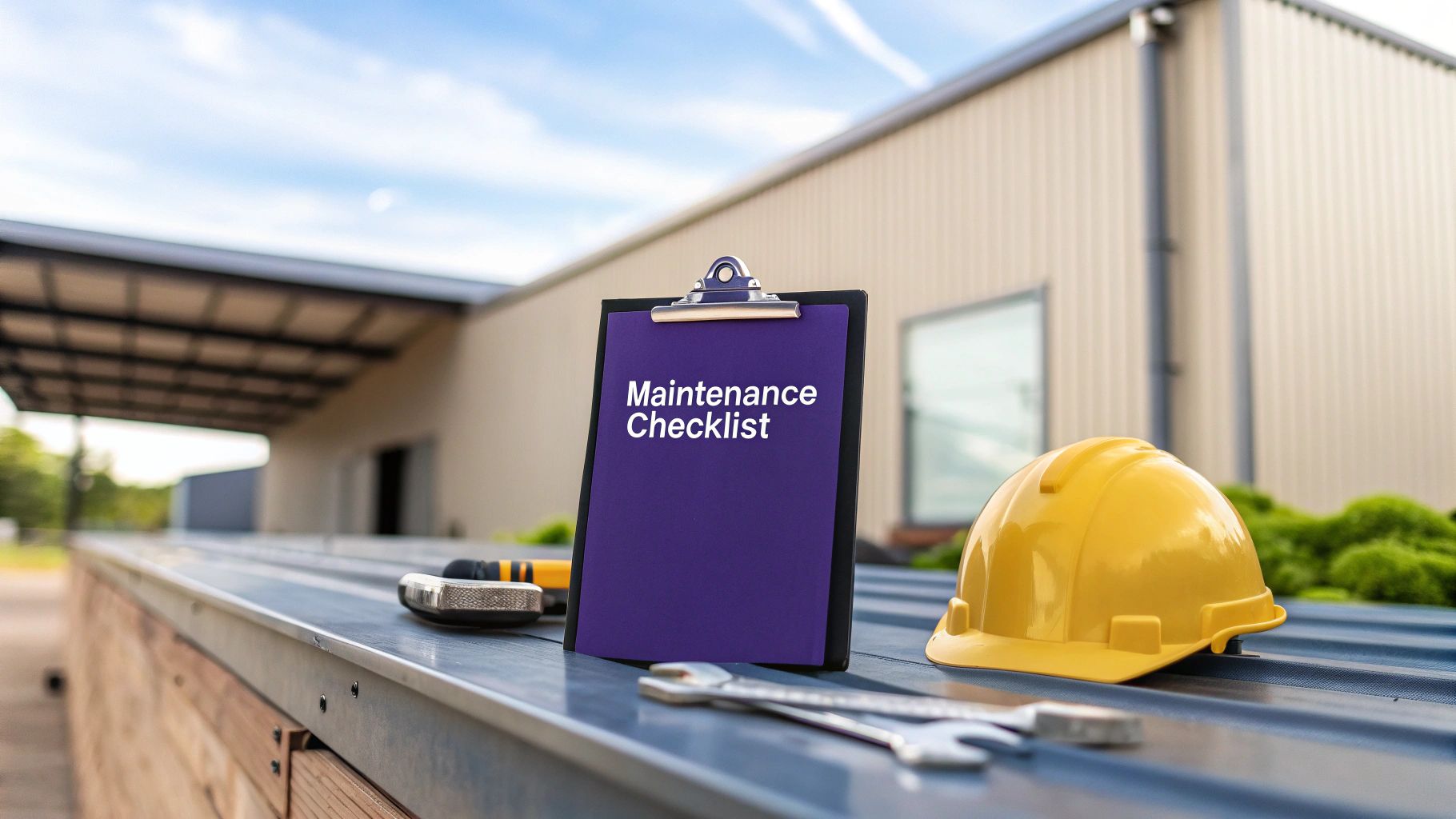
Owning or managing a commercial property, especially a durable steel building, is a significant investment. But construction is just the beginning. The long-term value and safety of your asset depend on diligent, proactive upkeep. Many managers fall into a reactive cycle, fixing problems only after they cause disruption. This approach leads to higher costs, unexpected downtime, and accelerated wear. A comprehensive commercial building maintenance checklist shifts the paradigm from reactive repairs to strategic, preventive care.
This guide provides an in-depth, actionable 10-point checklist designed to preserve your building's integrity, optimize performance, and ensure a safe environment for everyone who walks through its doors. By implementing these scheduled tasks, you're not just maintaining a structure; you're safeguarding a valuable asset and ensuring its longevity for years to come. Moving from a "fix-it-when-it-breaks" mentality to a scheduled maintenance plan is the single most effective way to protect your investment and maintain operational continuity.
We will cover everything from HVAC system health and roof integrity to electrical safety and exterior envelope care. Each point offers specific, actionable steps that can be integrated into your facility management schedule. For insights into specific preventative maintenance strategies that can significantly reduce unexpected repairs, you can refer to resources on the topic that detail how a proactive approach directly impacts your bottom line. This detailed checklist will serve as your blueprint for a well-maintained, efficient, and safe commercial property.
1. HVAC System Inspection and Maintenance
A building's Heating, Ventilation, and Air Conditioning (HVAC) system is its circulatory and respiratory system, essential for occupant comfort, health, and productivity. This entry on our commercial building maintenance checklist focuses on a proactive, scheduled approach to HVAC care, moving beyond simple reactive repairs to ensure consistent performance, energy efficiency, and superior indoor air quality. Regular maintenance prevents catastrophic failures that can halt business operations and lead to costly emergency service calls.
Why It's a Top Priority
Neglecting the HVAC system has immediate consequences. Clogged filters and dirty coils force the system to work harder, leading to a sharp increase in energy consumption and utility bills. More critically, poor ventilation and filtration can result in "sick building syndrome," negatively impacting employee health and productivity. A well-maintained system, however, extends the lifespan of expensive equipment and ensures a comfortable environment year-round.
Actionable Maintenance Plan
A comprehensive HVAC maintenance strategy includes several key tasks performed at regular intervals.
-
Quarterly Tasks:
- Filter Replacement: Change air filters to maintain airflow and capture contaminants. This is a simple task that facility staff can often be trained to perform.
- Visual Inspection: Check for any visible signs of wear, leaks, or damage on the units, ductwork, and vents.
-
Semi-Annual Tasks (Spring and Fall):
- Coil Cleaning: Clean evaporator and condenser coils to ensure efficient heat transfer.
- Drainage Check: Inspect and clear condensate drain lines to prevent blockages, water damage, and mold growth.
- Thermostat Calibration: Verify thermostat accuracy to prevent energy waste and ensure correct temperature regulation.
-
Annual Tasks:
- Professional Tune-Up: Hire a certified HVAC technician to inspect all mechanical components, check refrigerant levels, test electrical connections, and lubricate moving parts.
Pro Tip: Keep a detailed maintenance log for each HVAC unit. This record helps track performance, predict potential issues, and provides essential documentation for warranty claims. Effective insulation is also crucial for HVAC efficiency; see how various steel building insulation options can significantly reduce your system's workload and lower energy costs.
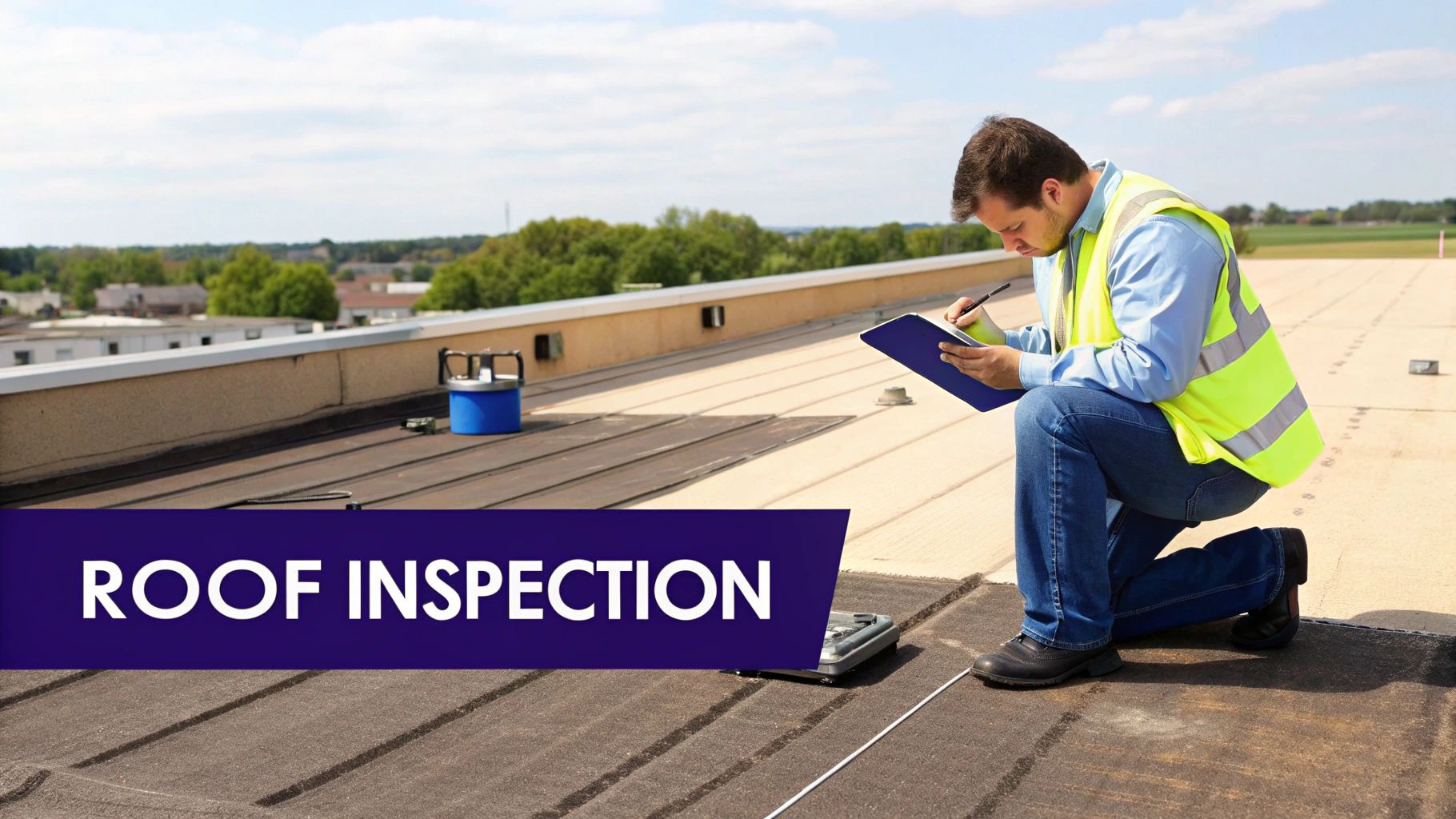
2. Roof Inspection and Repairs
A commercial building's roof is its primary defense against the elements, protecting the structure, assets, and occupants within. This item on our commercial building maintenance checklist emphasizes a systematic, proactive approach to roof care. Moving beyond reactive leak-patching, a scheduled inspection and repair plan is crucial for preserving structural integrity, preventing catastrophic water damage, and extending the lifespan of one of your most significant investments.
Why It's a Top Priority
Neglecting roof maintenance can lead to silent but devastating consequences. A small, undetected leak can saturate insulation, compromise structural steel, and foster mold growth, creating expensive and hazardous conditions. Proactive inspections, as recommended by organizations like the National Roofing Contractors Association (NRCA), identify minor issues like damaged flashing or clogged gutters before they escalate into major interior damage, business disruptions, and costly emergency repairs. A well-maintained roof is fundamental to the building's overall health and value.
Actionable Maintenance Plan
A robust roof maintenance strategy involves regular, detailed inspections and prompt repairs. Many commercial property management firms, like JLL, implement biannual professional inspections as a standard practice.
-
Quarterly Tasks:
- Visual Scan: Conduct a ground-level or drone-assisted visual inspection to spot obvious issues like loose materials, debris accumulation, or sagging areas.
- Drainage Check: Ensure gutters, scuppers, and downspouts are clear of leaves and debris, especially after storms, to prevent water from pooling.
-
Semi-Annual Tasks (Spring and Fall):
- Professional Inspection: Hire a qualified roofing contractor to perform a comprehensive walk-through. They should check for punctures, tears in the membrane, deteriorated sealants, and compromised flashing around vents and HVAC units.
- Minor Repairs: Address any small issues identified during the inspection immediately to prevent them from worsening over the coming season.
-
Annual Tasks:
- Detailed Assessment: Review inspection reports to identify recurring problem areas that may indicate a more significant underlying issue.
- Budget Planning: Use the assessment to plan for future maintenance needs and allocate funds for eventual roof replacement. A correct initial setup is vital; learn more about the best practices for a durable steel building installation to ensure a solid foundation for your roof.
Pro Tip: Document every inspection with dated photos and detailed notes. This creates an invaluable historical record for tracking the roof's condition, supporting insurance claims, and validating warranty requirements.
3. Plumbing System Checks and Maintenance
A commercial building's plumbing system is its lifeline, delivering clean water and removing waste silently in the background. This crucial part of our commercial building maintenance checklist addresses the comprehensive upkeep of water supply lines, drainage systems, fixtures, and water heaters. A proactive maintenance strategy is essential to prevent catastrophic leaks, costly water damage, mold growth, and disruptions that can halt business operations and lead to tenant dissatisfaction.
Why It's a Top Priority
Ignoring plumbing maintenance invites significant risk. A slow, undetected leak can lead to structural rot and mold, while a sudden pipe burst can cause extensive property damage and operational downtime. Furthermore, malfunctioning fixtures or inconsistent hot water can create a negative experience for employees and clients alike. Regular checks prevent these emergencies, conserve water, reduce utility bills, and extend the lifespan of expensive infrastructure like boilers and water heaters.
Actionable Maintenance Plan
A robust plumbing maintenance plan involves routine checks and professional inspections throughout the year.
-
Quarterly Tasks:
- Fixture Inspection: Check all toilets, sinks, and faucets for leaks, drips, or running water. Test for proper flushing and draining.
- Floor Drain Test: Pour water down all floor drains to ensure traps are full and preventing sewer gas from entering the building.
-
Semi-Annual Tasks:
- Water Heater Check: Visually inspect water heaters for any signs of leaks or corrosion. Test the pressure relief valve to ensure it functions correctly.
- Sump Pump Test: If applicable, test sump pumps to confirm they are operational, especially before seasons with heavy rainfall.
-
Annual Tasks:
- Professional Inspection: Schedule a licensed plumber to conduct a thorough inspection. This should include checking water pressure, inspecting pipes for corrosion, testing backflow preventers, and flushing the water heater to remove sediment buildup.
Pro Tip: Monitor your water bills closely. A sudden, unexplained spike is often the first sign of a hidden leak. Educating staff and tenants on what not to flush can also prevent the most common and disruptive drain clogs.
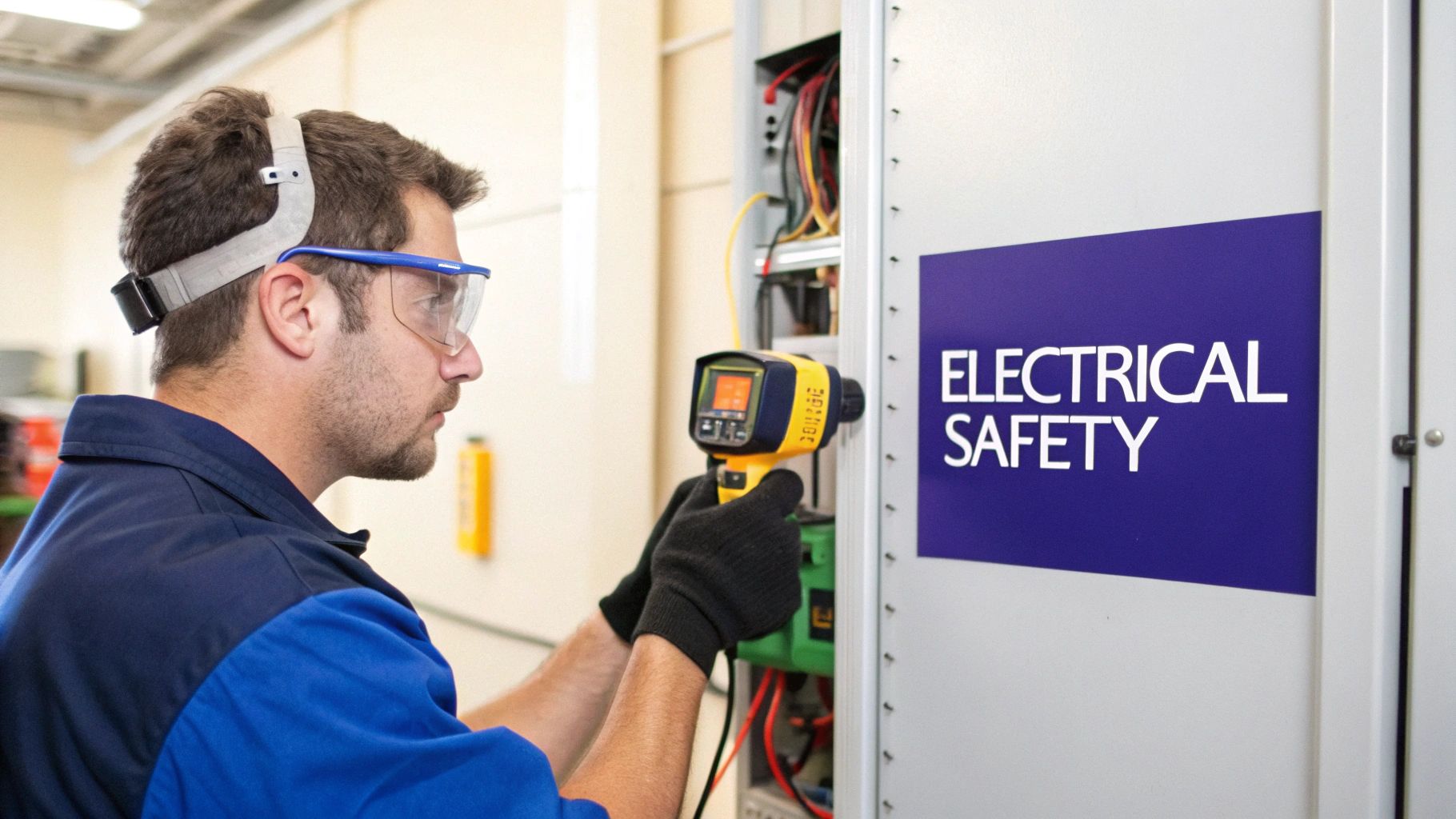
4. Electrical System Inspections and Safety Testing
The electrical system is the nerve center of a commercial building, powering everything from critical business equipment to essential life-safety systems. This crucial part of any commercial building maintenance checklist involves the proactive inspection and testing of all electrical components, including panel boards, wiring, outlets, and safety mechanisms. A systematic approach, guided by standards from organizations like the NFPA and UL, is vital to prevent electrical hazards, ensure safety compliance, and maintain uninterrupted operations.
Why It's a Top Priority
Ignoring electrical maintenance is a high-stakes gamble. Faulty wiring, overloaded circuits, and deteriorating components are leading causes of commercial fires, posing a significant risk to occupants and property. Beyond fire hazards, electrical failures can lead to sudden power outages, causing costly operational downtime and potential data loss for businesses like data centers. Regular inspections identify these risks before they escalate, ensuring the system can safely handle its load and extending the life of your building’s infrastructure.
Actionable Maintenance Plan
A robust electrical safety plan integrates routine checks with specialized professional assessments. Many Fortune 500 companies, for instance, use advanced techniques like thermographic imaging to detect hotspots in electrical panels that are invisible to the naked eye.
-
Quarterly Tasks:
- Visual Inspection: Check for visible signs of damage to outlets, switches, and lighting fixtures. Ensure electrical panels are unobstructed and accessible.
- Emergency System Test: Test emergency lighting and exit signs to confirm they function correctly during a simulated power outage.
-
Semi-Annual Tasks:
- Backup Generator Test: Run the backup generator under load to verify it will perform as expected during an actual emergency.
- GFCI/AFCI Testing: Test all Ground Fault Circuit Interrupter (GFCI) and Arc Fault Circuit Interrupter (AFCI) outlets and breakers to ensure they trip correctly.
-
Annual Tasks:
- Professional Inspection: Hire a licensed electrician to conduct a thorough inspection. This includes tightening electrical connections, checking panel boards, and verifying proper grounding.
- Thermographic Survey: Perform an infrared scan of electrical components to identify overheating connections and potential failure points.
Pro Tip: Clearly label every circuit breaker in your electrical panels. This simple step saves critical time during an emergency or when isolating a circuit for repairs. Maintaining detailed records of all tests and inspections is also essential for demonstrating regulatory compliance. Integrating these checks from the beginning is part of a holistic approach to safety, much like a thorough construction quality control checklist ensures a solid foundation for the building itself.
5. Fire Safety and Emergency Systems Maintenance
A building's fire safety and emergency systems are its first line of defense in a crisis, safeguarding occupants and assets. This crucial entry on our commercial building maintenance checklist details the regular inspection, testing, and upkeep of all related equipment, from detectors to extinguishers. A proactive approach not only ensures compliance with stringent fire codes but also provides peace of mind that your facility is prepared for an emergency.
Why It's a Top Priority
Failure to maintain fire safety systems can have catastrophic consequences, including legal liability, severe property damage, and, most importantly, loss of life. Malfunctioning alarms or sprinklers can turn a manageable incident into a disaster. Regular, documented maintenance is mandated by law and is a non-negotiable aspect of responsible facility management. It ensures that every component will function as intended when seconds count, protecting both people and your investment.
Actionable Maintenance Plan
A robust fire safety maintenance plan involves scheduled checks and professional servicing.
-
Monthly Tasks:
- Fire Extinguisher Inspection: Visually check that all fire extinguishers are in their designated locations, are unobstructed, and that the pressure gauges are in the operable range.
- Emergency Lighting Test: Test all emergency and exit lights to ensure they illuminate correctly during a simulated power outage.
-
Quarterly Tasks:
- Alarm System Test: Conduct a functional test of the fire alarm system, including pull stations and notifications, to ensure it communicates properly with monitoring services.
-
Annual Tasks:
- Professional System Inspection: Schedule a certified fire protection specialist to conduct a comprehensive inspection of the entire system, including smoke and heat detectors, sprinkler systems, and fire pumps, as required by NFPA standards.
- Extinguisher Servicing: Engage a professional to perform annual maintenance on all fire extinguishers.
Pro Tip: Maintain a detailed logbook for all fire safety inspections, tests, and maintenance activities. This documentation is essential for demonstrating compliance to fire marshals and insurance auditors. Beyond inspections, consistent servicing and proper upkeep are essential for these life-saving devices. Learn more about the practical aspects of maintaining fire extinguishers to ensure they are always ready for use.
6. Exterior Building Envelope Maintenance
A commercial building's exterior envelope is its primary defense against the elements, encompassing everything that separates the indoor environment from the outdoors: walls, windows, doors, roofing, and foundation. This entry in our commercial building maintenance checklist focuses on the diligent inspection and upkeep of these components. Proactive maintenance of the building envelope is fundamental to preventing water intrusion, mitigating air leaks, and preserving both structural integrity and energy efficiency.
Why It's a Top Priority
A compromised building envelope can lead to a cascade of expensive problems. Even minor gaps in caulking or failing window seals can allow water to penetrate walls, causing mold, rot, and significant structural damage over time. Air leaks are equally damaging, creating drafts that strain HVAC systems and lead to skyrocketing energy bills. Regular maintenance ensures the building remains weatherproof, energy-efficient, and structurally sound, protecting the asset's value and the comfort of its occupants.
Actionable Maintenance Plan
A structured approach to envelope maintenance involves regular inspections and scheduled repairs based on material lifecycles and environmental exposure.
-
Semi-Annual Tasks (Spring and Fall):
- Visual Inspection: Walk the perimeter and visually inspect all walls, windows, and door frames. Look for cracks, peeling paint, or discoloration on wall surfaces, which can indicate moisture issues.
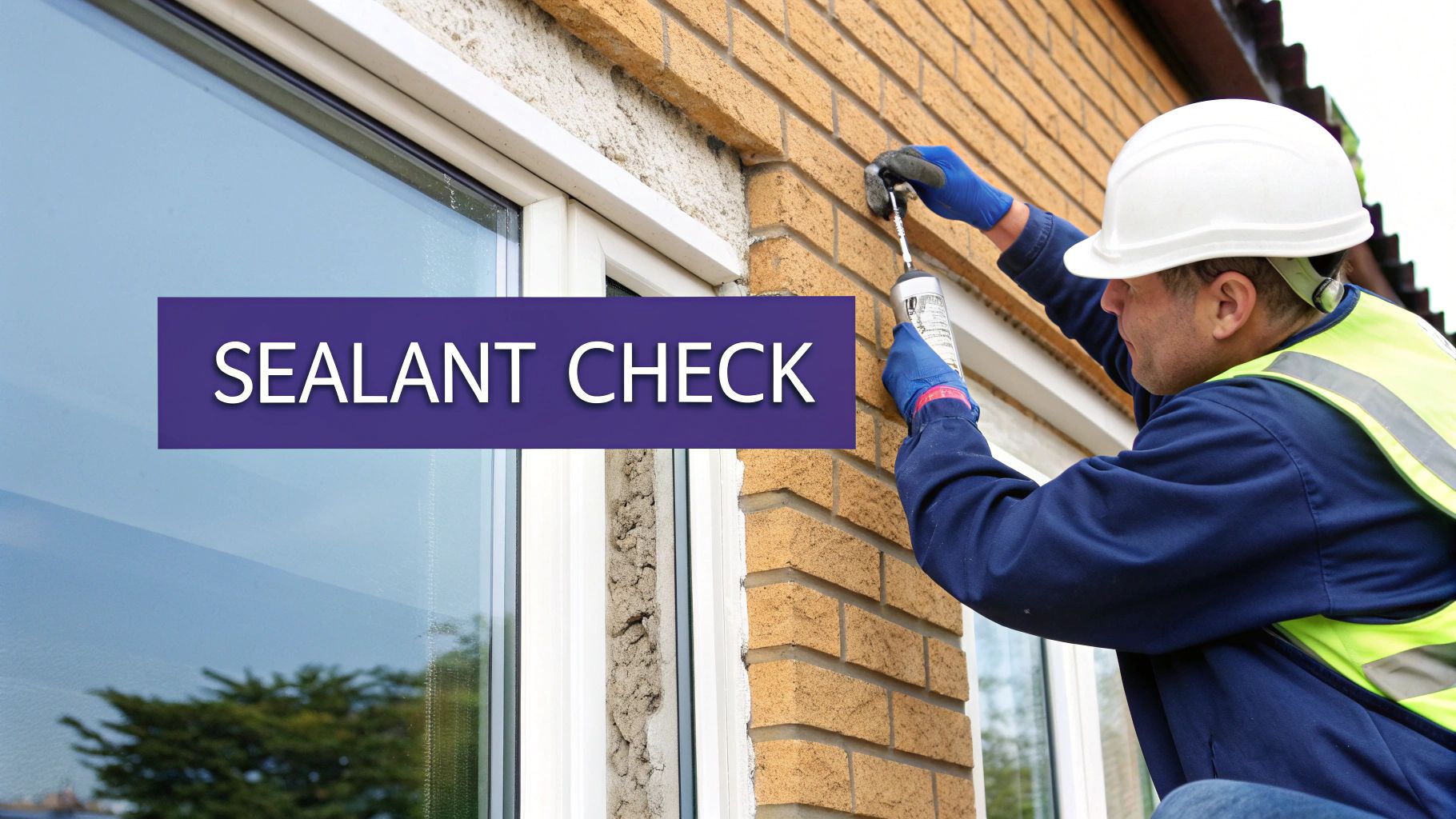
- Sealant Check: Examine all caulking and sealants around windows, doors, and expansion joints for signs of cracking, shrinking, or pulling away.
-
Annual Tasks:
- Window and Door Operation: Test all operable windows and doors to ensure they open, close, and seal properly. Check weatherstripping for compression and signs of wear.
- Pressure Washing: Gently clean the exterior walls to remove dirt, mildew, and pollutants that can degrade surfaces over time. This also provides a clear view for a more detailed inspection.
-
As-Needed / Periodic Tasks (Every 3-5 Years):
- Professional Assessment: Hire a building envelope consultant for a comprehensive inspection, which may include infrared thermography to detect hidden air leaks or moisture.
- Resealing and Repainting: Reapply sealants and exterior coatings based on manufacturer recommendations to renew the protective layer.
Pro Tip: Document the condition of the building envelope with dated photographs before and after maintenance activities. This visual record is invaluable for tracking deterioration, planning future capital expenditures, and supporting any potential warranty claims with material suppliers like Dow Corning or 3M.
7. Interior Flooring and Surface Maintenance
The condition of a building's interior surfaces, from the lobby floor to office walls, directly impacts visitor impressions, employee morale, and overall safety. This entry on our commercial building maintenance checklist details a systematic approach to flooring and surface care, ensuring these high-contact areas remain clean, safe, and professional. Proactive maintenance preserves the aesthetic appeal of your space and prevents the premature wear and tear that leads to expensive replacement projects.
Why It's a Top Priority
Neglected floors and surfaces quickly accumulate dirt, scuffs, and damage, creating a poor impression and potential safety hazards. Slippery floors, torn carpets, and cracked tiles can lead to accidents and liability issues. Furthermore, dirty environments can harbor allergens and bacteria, negatively affecting indoor air quality and occupant health. A well-executed maintenance program protects your investment, enhances the building’s image, and contributes to a healthier indoor environment.
Actionable Maintenance Plan
A robust interior maintenance plan addresses different surfaces with appropriate frequencies and methods.
-
Daily Tasks:
- High-Traffic Cleaning: Sweep, mop, or vacuum high-traffic areas like lobbies, hallways, and breakrooms to remove daily dirt and debris.
- Spot Treatment: Immediately address spills and stains on carpets, walls, and hard floors to prevent them from setting and causing permanent damage.
-
Weekly/Bi-Weekly Tasks:
- Thorough Cleaning: Perform a deep clean of all flooring, including detailed vacuuming, mopping with appropriate solutions, and wiping down baseboards and wall scuffs.
- Grout Check: In areas with tile, inspect and spot-clean grout lines to prevent discoloration and deterioration.
-
Semi-Annual/Annual Tasks:
- Professional Deep Cleaning: Schedule professional services for carpet extraction, tile and grout steam cleaning, or stripping and waxing of vinyl floors.
- Surface Repair: Inspect for and repair any chips in tile, tears in carpet, or damage to wall surfaces to prevent minor issues from becoming major problems.
Pro Tip: Strategically place high-quality entrance mats at all entry points to capture dirt, moisture, and debris before they are tracked throughout the building. This simple step dramatically reduces cleaning workloads and protects flooring from abrasive particles. A well-maintained interior starts with a smart layout; thoughtful metal building floor plans can optimize traffic flow and minimize wear on key surfaces.
8. Elevator and Lift Systems Maintenance
For any multi-story commercial building, elevator and lift systems are non-negotiable assets that directly impact accessibility, traffic flow, and tenant satisfaction. This item on our commercial building maintenance checklist addresses the critical need for scheduled inspections and proactive care for elevators, escalators, and accessibility lifts. A diligent maintenance program ensures these complex systems operate safely, comply with stringent regulations, and avoid debilitating breakdowns that can disrupt business and pose serious liability risks.
Why It's a Top Priority
Neglecting vertical transportation systems is not an option. A malfunctioning elevator can trap occupants, cause injuries, and trigger significant fines for non-compliance with safety codes like ASME A17.1. Beyond safety, system downtime frustrates tenants and visitors, potentially impacting a property's reputation and lease renewals. Conversely, consistent maintenance extends the life of this expensive machinery, ensures smooth and reliable operation, and provides peace of mind for building managers and occupants alike.
Actionable Maintenance Plan
A robust elevator maintenance strategy combines regular professional servicing with in-house vigilance.
-
Monthly Tasks:
- Operational Checks: In-house staff should ride the elevators to check for unusual noises, jerky movements, or leveling issues at each floor.
- Visual Inspection: Check that interior lights, buttons, and emergency communication systems (phones/intercoms) are all functioning correctly.
-
Quarterly to Annual Tasks (Professional Service):
- Comprehensive Inspection: A certified technician should perform routine maintenance as specified by the manufacturer, including checking safety mechanisms, lubricating moving parts like rails and cables, and testing control systems.
- Safety Tests: Conduct mandatory annual or semi-annual safety tests, such as full-load tests and emergency power operation, to ensure compliance with local and national codes.
- Record Keeping: Meticulously log all inspections, maintenance activities, and repairs. This documentation is vital for regulatory compliance and tracking system health.
Pro Tip: Partner with a manufacturer-authorized or highly reputable third-party service provider for all technical maintenance. They possess the specific expertise and parts required for your system. Integrating these systems is key, and understanding how they fit into the overall structure, such as in large warehouse steel buildings, ensures seamless operational flow from the ground floor up.
9. Parking Area and Pavement Maintenance
The parking area is the first point of physical interaction a visitor has with your commercial property, serving as its welcome mat. This entry on our commercial building maintenance checklist addresses the crucial upkeep of parking lots, driveways, and walkways. A proactive approach to pavement maintenance goes beyond aesthetics; it is a fundamental aspect of safety, liability management, and preserving the significant investment in your property’s paved surfaces.
Why It's a Top Priority
Neglected pavement quickly becomes a liability. Cracks, potholes, and faded line striping create tripping hazards for pedestrians and can damage vehicles, potentially leading to costly legal claims. Furthermore, water intrusion through unsealed cracks can erode the sub-base, leading to extensive structural failure and requiring a complete, expensive replacement. A well-maintained parking area, however, enhances curb appeal, ensures ADA compliance, and maximizes the lifespan of the asphalt or concrete.
Actionable Maintenance Plan
A strategic pavement maintenance plan involves proactive, scheduled tasks to prevent minor issues from escalating.
-
Quarterly Tasks:
- Visual Inspection: Walk the entire paved area to identify and document new cracks, potholes, oil spots, and areas of poor drainage.
- Drainage Clearing: Ensure all storm drains and catch basins are free of debris to prevent water from pooling and damaging the pavement.
-
Semi-Annual Tasks (Spring and Fall):
- Crack Sealing: Fill any cracks wider than a quarter-inch with a professional-grade sealant to prevent water from penetrating the pavement’s sub-base.
- Pothole Patching: Immediately repair potholes using appropriate hot or cold patch materials to prevent them from expanding and causing safety hazards.
-
Biennial/Triennial Tasks:
- Sealcoating: Apply a high-quality asphalt sealcoat every 2-3 years. This protective layer shields the pavement from UV rays, water, and chemical spills.
- Line Striping: Re-paint parking lines, directional arrows, and accessibility markings after sealcoating or when they become faded to ensure safety and organized traffic flow.
Pro Tip: Create a detailed map of your parking areas and use it to log inspections and repairs. This visual record helps in budgeting for future maintenance and demonstrates a history of due diligence, which can be invaluable in liability situations.
10. Pest Control and Facility Sanitation
A building's defense against pests is a critical component of its overall health and safety, directly impacting occupants, inventory, and structural integrity. This entry on our commercial building maintenance checklist addresses the need for a systematic approach to pest control and sanitation. It shifts the focus from reactive extermination to a proactive strategy that prevents infestations of rodents, insects, and other pests before they can cause significant damage or health hazards.
Why It's a Top Priority
Neglecting pest control and sanitation can have severe and costly repercussions. A single pest sighting can damage a business's reputation, particularly in food service or hospitality. Infestations can lead to contaminated inventory, damaged electrical wiring from gnawing rodents, and the spread of diseases, creating an unsafe environment for employees and customers. Proactive management protects property, upholds health standards, and prevents the operational disruptions that come with a full-blown infestation.
Actionable Maintenance Plan
A robust pest management and sanitation strategy involves routine monitoring, prevention, and targeted actions.
-
Monthly Tasks:
- Professional Inspection: Have a licensed pest control professional conduct a thorough inspection of the property, focusing on entry points, food storage areas, and waste disposal zones.
- Sanitation Audits: Regularly inspect break rooms, kitchens, and trash receptacles to ensure they are clean and free of food debris that attracts pests.
-
Quarterly Tasks:
- Preventive Treatments: Apply targeted, low-toxicity treatments around the building's exterior perimeter and identified hot spots to create a barrier against common pests.
- Seal Entry Points: Inspect and seal any new cracks, gaps, or holes in the building's foundation, walls, and around utility penetrations to block pest access.
-
Annual Tasks:
- Strategy Review: Meet with your pest control provider to review the past year's activity, assess the effectiveness of the current plan, and make adjustments based on seasonality or changes in building use.
Pro Tip: Implement an Integrated Pest Management (IPM) program. This holistic approach focuses on long-term prevention by managing the environment, using monitoring and record-keeping to make informed decisions, and employing non-chemical methods before resorting to pesticides. Document all inspections and treatments for compliance records.
Top 10 Commercial Building Maintenance Checklist Comparison
| Service | 🔄 Implementation Complexity | ⚡ Resource Requirements | ⭐ Expected Outcomes | 📊 Ideal Use Cases | 💡 Key advantages / tips |
|---|---|---|---|---|---|
| HVAC System Inspection and Maintenance | Moderate–High; routine tasks easy, complex repairs need certified techs | Filters, diagnostic tools, refrigerant handling, scheduled technician time | ⭐⭐⭐⭐ — 15–20% energy savings; longer equipment life | Commercial offices, headquarters, buildings with central HVAC | Train staff for basic filter changes; schedule off‑peak; keep maintenance logs |
| Roof Inspection and Repairs | Moderate; safety risks and weather dependence; may need contractors | Ladders/scaffolding or drones, sealants, roofing materials, safety gear | ⭐⭐⭐⭐ — Prevents water damage; extends roof life 10–20 yrs | Flat roofs, malls, commercial centers; post‑storm assessments | Inspect spring/fall; document with photos; address minor issues promptly |
| Plumbing System Checks and Maintenance | Moderate; hidden issues require licensed plumbers | Leak detectors, pipe materials, valves, water heaters, periodic plumber visits | ⭐⭐⭐⭐ — Reduces water waste ~10–15%; prevents mold and damage | Hotels, offices, older buildings with aging pipes | Install accessible shut‑offs; monitor bills for leaks; test sump pumps monthly |
| Electrical System Inspections and Safety Testing | High; certified electricians and occasional power shutdowns required | Thermal imagers, testers, replacement components, qualified electricians | ⭐⭐⭐⭐⭐ — Prevents fires; ensures NEC/OSHA compliance; reduces downtime | Data centers, large commercial buildings, facilities with backup power | Label panels, document tests, schedule annual comprehensive inspections |
| Fire Safety and Emergency Systems Maintenance | High; specialized certifications and careful testing needed | Alarm/sprinkler testing tools, certified technicians, backup power testing | ⭐⭐⭐⭐⭐ — Life safety assurance; legal/insurance compliance; minimizes losses | High‑rises, retail centers, heavily occupied buildings | Partner certified pros, run regular drills, maintain suppression documentation |
| Exterior Building Envelope Maintenance | Moderate; high‑rise work can increase complexity and cost | Scaffolding/rope access, sealants, weatherstripping, inspection crews | ⭐⭐⭐⭐ — Prevents infiltration; improves energy efficiency and curb appeal | Facades, aging exteriors, buildings exposed to severe weather | Document before/after, use high‑performance sealants, schedule by exposure |
| Interior Flooring and Surface Maintenance | Low–Moderate; routine tasks; specialized protocols for some materials | Cleaning equipment, specialized detergents, trained cleaning staff | ⭐⭐⭐⭐ — Preserves appearance; reduces slip hazards; extends lifespan | Offices, hospitals, retail, high‑traffic interior spaces | Use entrance mats, train staff on surface‑specific care, schedule deep cleans weekly/monthly |
| Elevator and Lift Systems Maintenance | High; safety‑critical, highly specialized and regulated | Manufacturer service, parts, remote monitoring, certified technicians | ⭐⭐⭐⭐⭐ — Ensures safety compliance; reduces breakdowns; extends service life | High‑rise buildings, multi‑tenant commercial properties | Use authorized providers, keep detailed records, plan modernization during renovations |
| Parking Area and Pavement Maintenance | Moderate; weather‑dependent and scale‑sensitive | Paving crews, sealcoating materials, striping equipment, drainage maintenance | ⭐⭐⭐⭐ — Extends pavement life 5–10 yrs; improves safety and appearance | Shopping centers, corporate campuses, public parking facilities | Seal coat every 2–3 years, fix cracks promptly, maintain drainage and lighting |
| Pest Control and Facility Sanitation | Low–Moderate; ongoing monitoring and repeat treatments | Licensed pest providers, traps, IPM tools, sanitation supplies | ⭐⭐⭐⭐ — Prevents infestations; protects health and inventory | Food service facilities, hospitals, offices, warehouses | Implement IPM, document treatments, use eco‑friendly options when possible |
Transforming Maintenance from a Chore into a Strategic Advantage
Navigating the complexities of commercial property management can feel overwhelming, but the detailed checklist provided in this guide offers a clear and structured path forward. It transforms the often-daunting task of upkeep from a reactive chore into a proactive, strategic advantage. By systematically addressing each critical area, from the rooftop HVAC units down to the pavement in the parking lot, you are not just ticking boxes; you are actively engaging in sophisticated asset management. This comprehensive commercial building maintenance checklist is your blueprint for operational excellence.
The core takeaway is this: consistency is the cornerstone of effective maintenance. Sporadic inspections and delayed repairs are recipes for escalating costs and unforeseen failures. A well-executed maintenance plan, however, builds a powerful cycle of prevention. Regular checks of your electrical systems prevent hazardous shorts, routine plumbing maintenance stops catastrophic leaks, and diligent exterior envelope care protects the very structural integrity of your asset against the elements.
From Checklist to Culture: Making Maintenance Second Nature
The true power of this guide is realized when it moves from a document to a deeply ingrained operational culture. The goal is to create an environment where preventative care is not an afterthought but a fundamental priority for everyone, from facility managers to on-the-ground staff. This cultural shift protects your investment, enhances tenant satisfaction, and safeguards your reputation.
Consider the tangible benefits of this approach:
- Reduced Operational Costs: Proactive repairs are significantly less expensive than emergency interventions. A well-maintained HVAC system consumes less energy, and a sealed building envelope lowers heating and cooling bills.
- Enhanced Asset Value: A meticulously maintained property is more attractive to potential tenants and buyers. Detailed maintenance logs serve as concrete proof of the building's condition, justifying a higher valuation and commanding better lease rates.
- Improved Safety and Reduced Liability: Diligent upkeep of fire safety systems, electrical wiring, and structural components creates a safer environment for occupants. This focus on safety directly minimizes the risk of accidents and costly liability claims.
Your Actionable Path Forward
Implementing this entire commercial building maintenance checklist at once may seem daunting. The key is to start with a structured, phased approach. Begin by conducting a comprehensive initial audit of your property against all ten points in the checklist. This will help you identify immediate priorities and areas of high risk.
From there, create a customized maintenance calendar. Schedule tasks logically throughout the year, assigning clear responsibilities and deadlines. Leverage technology like Computerized Maintenance Management Systems (CMMS) to automate reminders, track work orders, and maintain detailed records. This documentation is not just for internal use; it is an invaluable asset that demonstrates due diligence and responsible ownership. By breaking down this comprehensive list into manageable daily, weekly, monthly, and annual tasks, you build momentum and make sustained excellence achievable.
Ultimately, mastering this checklist means you are no longer at the mercy of your building's lifecycle. You are in control, steering your investment toward longevity, profitability, and resilience. This proactive stance ensures your commercial property remains a high-performing asset, a safe space for its occupants, and a source of pride for years to come.
Ready to build a commercial structure that's designed for durability and streamlined maintenance from day one? The robust, high-quality materials used in structures from Icon Steel Buildings provide a superior foundation that simplifies long-term upkeep. Explore your options and start with a building that’s built to last at Icon Steel Buildings.